Outdoor decking should be evaluated for both appearance and underfoot safety. Rain, condensation, pool splash and surface contamination can all reduce traction, so the material, surface finish, drainage and maintenance plan should be reviewed together.
Slip resistance is especially relevant for pool surrounds, access routes, hospitality terraces and other areas where users may encounter water or frequent foot traffic. The required performance should be defined by the project location, applicable code and intended use.
Timber traction varies with species, finish, wear, biological growth and maintenance. Rather than assuming one material is always safer, buyers should compare tested wet-condition performance and the maintenance requirements of the specific products under consideration.
Textured composite decking can be a practical option where consistent appearance and reduced routine finishing are priorities. Actual slip resistance, dimensional stability and maintenance frequency depend on the product profile, formulation, installation and exposure conditions.
Many outdoor WPC decking products combine wood fibre with a thermoplastic such as HDPE, plus pigments and performance additives. Buyers should confirm the actual formulation and product data for the selected profile rather than treating all WPC boards as equivalent.

How to Evaluate Slip Risk for an Outdoor Deck
Safety is not something to compromise on when it comes to outdoor surfaces. Before exploring what makes WPC the right solution, it helps to understand exactly where and why standard decking falls short.
Safety Risks of Slippery Decking
Wet surfaces, worn finishes and biological growth can reduce traction on any outdoor deck. Cleaning frequency, drainage and surface texture should therefore be included in the project risk assessment.
- Rain and poolside splashing create slick surfaces almost instantly
- Algae and moss thrive on natural timber and make surfaces far more slippery
- Traditional wood smooths out with age and loses its natural grip
- Pool surrounds and garden stairs need higher slip resistance than most decks provide
Growing Demand for Anti Slip Decking
Homeowners are far more safety-conscious today than a decade ago. Families with young children and older adults at home are choosing outdoor flooring based on grip ratings and not just looks.
Hotels, resorts, restaurants and public spaces may be subject to accessibility, workplace or flooring-safety requirements that vary by jurisdiction. Project teams should confirm the applicable standard and request evidence for the exact decking profile being specified.
Which Slip-Resistance Test Results Should Buyers Request?
Slip resistance can be assessed using standardized methods, but the test method and result must match the project requirement. An R classification is produced by a ramp test and should not be presented as interchangeable with every wet-pendulum or local flooring requirement.
- R9 surfaces are suitable for flat interior areas
- Do not assign a universal R class to outdoor decking. State the tested classification of the exact product only after the current report, specimen condition and applicable project standard have been verified.
- R12 and above are recommended for high splash zones like pools and commercial terraces
- Surface texture and drainage design both influence the final slip resistance rating
What Makes Composite Decking More Slip Resistant
Understanding why WPC outperforms timber starts at the surface level and goes deeper into the material itself. Here is what actually sets it apart.
The Surface Structure of Non-Slip Composite Decking
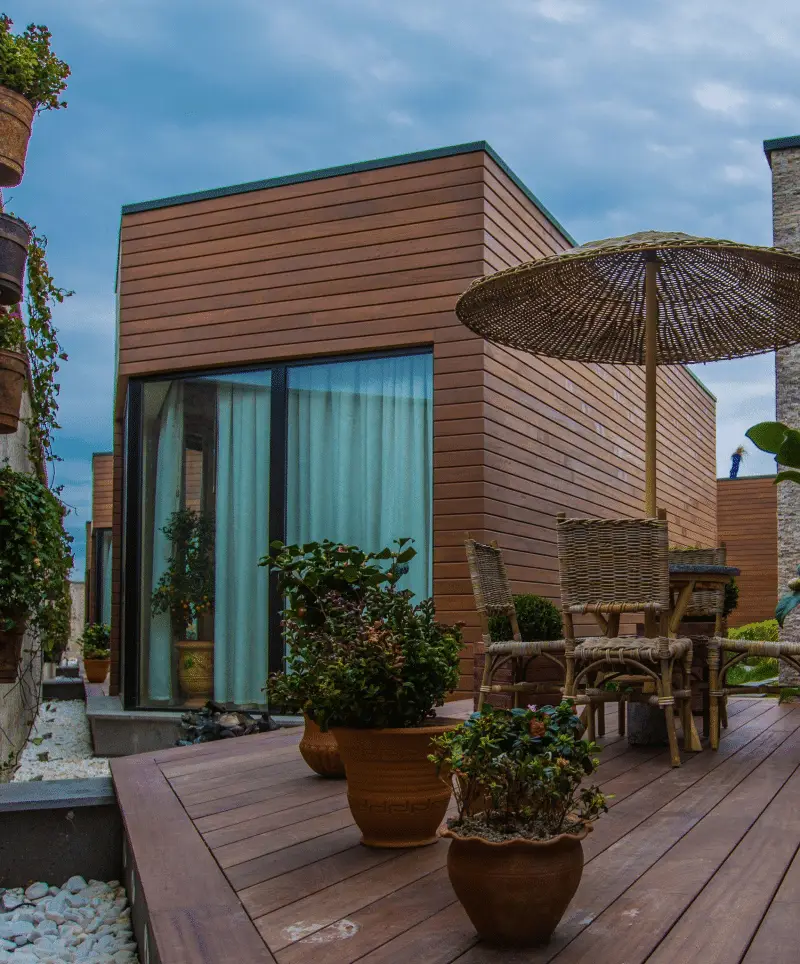
The texture is where it all begins. WPC boards are not flat and featureless. They are pressed with deep embossed grain patterns that create micro ridges underfoot. Those ridges are what keep your foot in place when the surface is wet.
- Embossed 3D wood grain provides real traction under foot pressure
- Grooved surfaces channel water away from the walking area quickly
- Dual-sided boards give you a choice between finer and coarser textures
- Surface texture is designed to provide traction, but wear depends on traffic, cleaning, abrasion and exposure. Ask KR WPC for the relevant test result and maintenance guidance for the selected finish.
Material Advantages of WPC Decking
WPC stands for wood plastic composite. It’s made from a combination of natural wood fibre and thermoplastic polymer. The result is a board that is structurally sound and much less sensitive to moisture than solid wood.
- Lower absorptive qualities than untreated or treated wood.
- Does not crack, warp swell or splinter when exposed to rain or humidity
- The polymer content acts as a natural barrier against water penetration
- Performs consistently across temperature extremes from summer heat to winter frost
Why WPC Performs Better Than Traditional Timber
Timber decking starts with a decent grip. Over a few seasons, it loses that advantage. Regular sanding, re-oiling, and treatment are needed to keep it safe. Most homeowners do not keep up with that schedule, and the deck deteriorates.
Composite decking needs none of that. The grip is built into the material structure. A quick wash with soapy water keeps it looking clean and performing well. That is a real difference for anyone who wants a low-effort outdoor space.
KR WPC Manufacturing Controls and Documents Available
KR New Materials Co. Ltd (KR WPC) is a specialist manufacturer of WPC composite decking, composite cladding and fencing products. Their output reaches global markets, and their production line follows strict quality controls.
- Available test reports and certifications vary by product series and market. List only the documents that KR WPC can provide for the exact profile, colour and shipment under review.
- Advanced extrusion technology ensures consistent texture and density across every board
- Products meet international standards for outdoor safety and slip resistance
- Their cladding and fencing ranges complement decking for a fully unified outdoor look
For landscaping projects that require premium outdoor surfacing materials, explore the full range available at KR new Material Co. They offer a solid selection of outdoor ground and surface solutions that pair well with composite decking installations.
Buyer Checklist for Wet and High-Traffic Projects
Choosing the right board becomes much easier when you know what features actually affect safety and long-term performance.
Look for Deep Embossed or Textured Surfaces
Not all composite boards are created equal. The depth and pattern of the surface texture directly affect grip. A shallow print looks nice but does not perform as well under wet conditions.
- Choose boards with 3D embossed grain rather than flat printed finishes
- Dual sided boards give flexibility for areas with different traffic and water exposure
- Ask for test samples and check how the surface feels when wet
Consider Drainage and Installation Design
The best anti slip decking board still needs proper installation to perform well. Gaps between boards matter. Good drainage prevents water from pooling on the surface in the first place.
- Hidden fastener systems create cleaner surfaces with no exposed fixings
- Consistent board spacing allows water to drain away efficiently
- A well designed subframe keeps the deck level and structurally sound long term
Evaluate Durability in Different Climates
- UV stabilized boards resist fading in hot sunny climates
- Moisture resistant cores prevent swelling in wet coastal regions
- Frost resistant composites maintain structural integrity through winter
- Fade resistant pigments keep the colour consistent over many years
Check Maintenance Requirements
One of the biggest selling points of non slip composite decking is how little work it needs. No painting, no sealing, no annual sanding. A seasonal clean is typically all it takes.
- Mild soap and water remove most dirt and algae buildup
- No specialist treatments or coatings required throughout the product lifespan
- Long warranties from quality manufacturers reflect confidence in the material
Where Non-Slip Decking Is Most Commonly Used
Non-slip decking is now used in a wide range of spaces where safety, durability, and low maintenance are important.
Residential Outdoor Areas
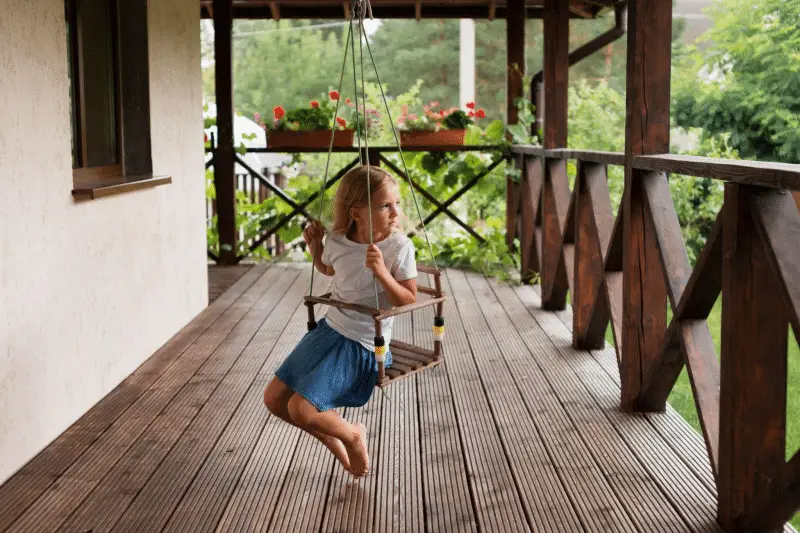
Home decking is the most common application. Families want a space that looks welcoming and does not become a liability when the weather changes.
- Backyard decks and garden terraces with mixed adult and child foot traffic
- Pool surrounds where wet bare feet are constant
- Garden walkways and side passages that need grip in all seasons
Commercial Applications
Hotels and restaurants take safety especially seriously. A slip and fall incident creates both legal and reputational problems. Non-slip composite decking is now specified by architects and designers as standard practice.
- Hotel and resort outdoor terraces in hospitality settings
- Restaurant and cafe alfresco dining areas
- Public parks and waterfront promenades
Coastal and High Moisture Environments
Coastal locations are among the harshest environments for any outdoor material. Salt air, moisture, and sun all attack surfaces simultaneously. WPC handles all three far better than timber.
- Seaside homes and marina decking where salt spray is constant
- Rooftop terraces on residential and commercial buildings
- Spa and wellness center outdoor areas with heavy water use
Final Thoughts
Choosing the right outdoor decking is a long-term decision. Safety should sit at the top of the list alongside appearance and budget. Slippery decking is not just inconvenient. It is a real risk that gets worse as the years go on.
Non slip composite decking answers that challenge without compromising on looks. A suitable WPC system can offer consistent factory-made profiles and reduced finishing requirements, but suitability should be confirmed through product-specific test data, installation design and the expected service environment.
If you are ready to build a safer outdoor space? Do not wait for an accident to prompt a decking upgrade. You can have a great peace of mind using a WPC composite decking, while maintaining the look you desire for your outdoor area.
Browse outdoor surfacing and landscaping solutions at KR new Material Co to complement your decking project with quality outdoor materials built for real world performance.
Get in touch with a WPC composite decking specialist and take the first step toward a safer, more beautiful outdoor space today.
FAQs
Q1. Is composite decking more slip resistant than wood?
Yes. The surface of the WPC composite decking is embossed to provide a texture and grip even when wet. Natural woods wear out naturally, and become much slipperer over time and exposure to algae.
Q2. Which type of decking is best for rainy days?
WPC composite decking is regarded as the optimum decking for wet climates. It has low moisture absorption and a grooved surface to help keep it from retaining water, and it maintains traction all year long.
Q3. Does non slip composite decking work around swimming pools?
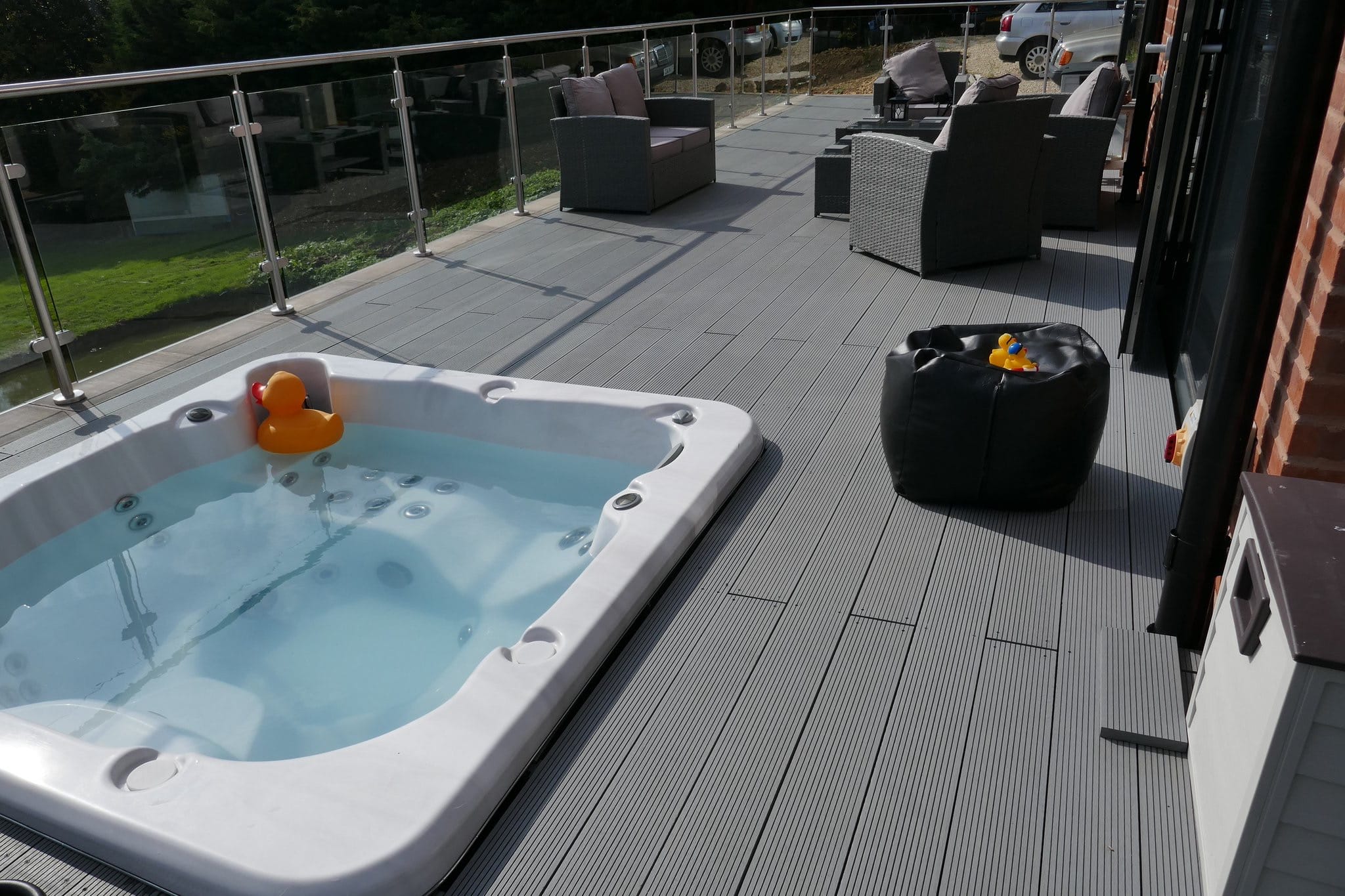
Absolutely. Pool surrounds are one of the most common applications for anti slip composite decking. The textured surface provides grip for wet bare feet and the material resists pool chemicals and constant moisture.
Q4. Can algae make composite decking slippery?
Algae can build up on any outdoor surface including composite decking. However WPC boards are much easier to clean and less porous than timber which reduces algae growth significantly. A periodic wash removes most buildup before it becomes a problem.
Q5. What surface texture is best for anti slip decking?
A deep 3D embossed wood grain texture offers the strongest grip performance. Grooved surfaces that channel water away from the walking area are also highly effective especially in high splash zones like pools and terraces.