Picking the right substructure material is one of the most important decisions in any composite decking project. KDAT (Kiln Dried After Treatment) wood is often considered as a premium framing option. However, many professional deck builders still avoid using it for composite decking subframes and structural framing.
Although KDAT lumber offers certain advantages over traditional pressure-treated wood, it also has limitations that can affect long-term deck performance, installation stability, and maintenance costs. As composite decking systems continue to evolve, many contractors are shifting toward more durable and low-maintenance framing alternatives.
KDAT wood is widely used because it installs straight and handles well during construction, but timber still responds to outdoor conditions over time, which can create a mismatch with long-life composite systems.
Let’s explore this in more detail.
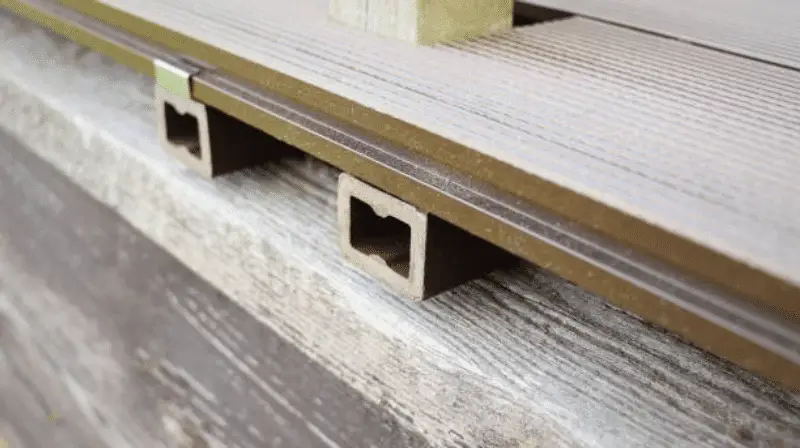
The Cost Starts Feeling Different Once the Full Frame Is Calculated
One thing contractors notice pretty quickly with KDAT lumber is how fast pricing scales once the complete framing structure is measured. A small difference per board may not seem important at first, although large deck builds tell a different story once joists, beams, blocking, stair framing, and perimeter sections all start adding up together.
That is usually where builders begin asking practical questions rather than technical ones.
Does the added framing cost really deliver enough extra value years later?
Sometimes the answer feels uncertain, especially because modern decking projects already carry higher material expenses due to premium boards, hidden fastening systems, drainage accessories, and decorative finishing details. Spending significantly more on timber framing becomes harder to justify when the visible long-range performance improvement does not always feel equally dramatic after installation.
A lot of contractors would rather invest more heavily in the finished decking surface itself because that is the section homeowners interact with every single day. The framing matters enormously, obviously, but many builders are now looking for systems that deliver stability without pushing project budgets higher than necessary.
Wood Still Reacts to Weather Even After Kiln Drying
This is probably the biggest misunderstanding surrounding KDAT lumber. Some people assume kiln drying permanently stabilizes the wood, almost like the material becomes immune to outdoor moisture changes afterward. That is not really how timber behaves once it is exposed to real weather conditions year after year.
Wood continues reacting to humidity, rainfall, heat, seasonal shifts, and moisture in the surrounding air. Maybe not as aggressively as with untreated lumber in some cases, but the reaction still occurs slowly over time.
The tricky part is that movement rarely appears immediately. Everything may look perfectly level during the first year, which creates confidence in the installation. Then, seasonal changes begin repeating. Wet periods followed by dry heat. Shade on one side of the deck and constant sunlight on the other. Tiny shifts begin to occur beneath the structure, almost too subtle to notice individually.
Over several seasons, builders sometimes start seeing:
- Slight spacing inconsistencies between boards
- Minor movement within joist alignment
- Fasteners behaving differently in isolated sections
- Uneven framing response between exposed and shaded areas
- Small surface irregularities that were not visible initially
None of these changes necessarily means failure, and that distinction matters. Most decks do not suddenly collapse or become unusable. The problem is more gradual than that. The structure simply stops behaving with the same precision it had during installation.
That difference becomes noticeable over time, especially in premium outdoor spaces where clean alignment and surface consistency are visually important.
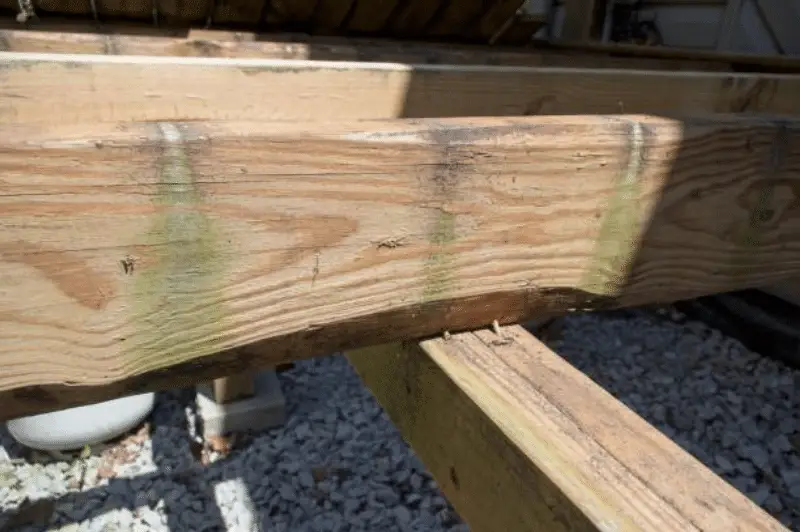
Maintenance Never Completely Leaves the Picture
There is often this quiet assumption floating around outdoor construction discussions that KDAT framing dramatically reduces maintenance concerns forever. In reality, outdoor timber framing still eventually requires attention because the weather keeps interacting with the structure, whether homeowners notice it or not.
Moisture can still collect beneath decking in poorly ventilated areas. Humid climates still affect airflow around framing cavities. Organic material and trapped debris can still create damp conditions in corners where sunlight barely reaches the structure.
What makes this frustrating is how slowly the process develops.
For several years, everything may appear completely fine. No visible issues. No soft spots. No obvious movement. Then inspections start becoming more important because certain sections begin aging differently than others, depending on exposure levels and drainage conditions around the frame.
That ongoing monitoring changes the ownership experience slightly. Instead of forgetting about the deck entirely, homeowners sometimes find themselves checking hidden framing areas more often than expected, especially once the structure gets older.
Composite Boards and Timber Frames Age at Different Speeds
This is honestly one of the biggest reasons some contractors have started reconsidering timber framing beneath composite decking.
Composite boards are engineered specifically for long outdoor performance. They resist splintering, surface rot, insect damage, and moisture-related deterioration much better than traditional timber decking surfaces. Many products are designed to maintain structural and visual stability for decades under normal outdoor use.
The frame underneath does not always age at the same pace.
Even when KDAT lumber performs better than regular treated wood, it still remains timber exposed to outdoor conditions continuously. Over the years, that difference in aging speed starts creating an imbalance within the system itself. The decking surface may still look excellent while the structural support underneath begins responding differently to moisture cycles and environmental stress.
And here is where things become expensive later.
Replacing a damaged or aging frame beneath installed composite boards is not a simple repair process. Contractors often need to remove finished boards carefully, work around hidden fasteners, and partially disassemble sections of the deck just to reach structural components underneath.
Nobody really wants to do that if the surface material still looks perfectly good.
That is one reason more builders are moving toward framing systems designed to last closer to the same lifespan as the decking installed above them.
Let’s Have A Quick Comparison Between KDAT Framing and Composite Compatible Subframes
| Feature | KDAT Lumber Framing | Composite Compatible Framing |
| Moisture Response | Still reacts to humidity and weather | More stable over time |
| Maintenance Needs | Requires periodic inspection | Lower maintenance overall |
| Lifespan Match With Composite Decking | May age faster than decking boards | Better long-term compatibility |
| Movement Over Time | Possible expansion and contraction | Reduced structural movement |
| Long Term Stability | It can vary by climate conditions | More consistent performance |
Precision Matters More Than People Think
Modern decking projects rely heavily on framing accuracy because composite boards tend to expose underlying imperfections more clearly than traditional timber surfaces. Small inconsistencies in joist alignment, spacing, or flatness eventually become visible once the boards are installed across the frame.
KDAT lumber usually arrives straighter than standard pressure-treated wood, although natural variation still exists because it remains a wood product responding to real environmental conditions.
A joist that feels only slightly uneven during installation may later contribute to:
- Surface waviness across long deck runs
- Inconsistent board spacing in visible areas
- Small balance issues along sightlines
- Minor movement or creaking under foot traffic
- Uneven visual appearance during bright sunlight exposure
These details sound cosmetic at first, but outdoor living spaces have become much more design-focused than they used to be. Homeowners are now investing heavily in lighting, furniture layouts, outdoor kitchens, and architectural finishes. Small structural inconsistencies become more noticeable within those polished environments.
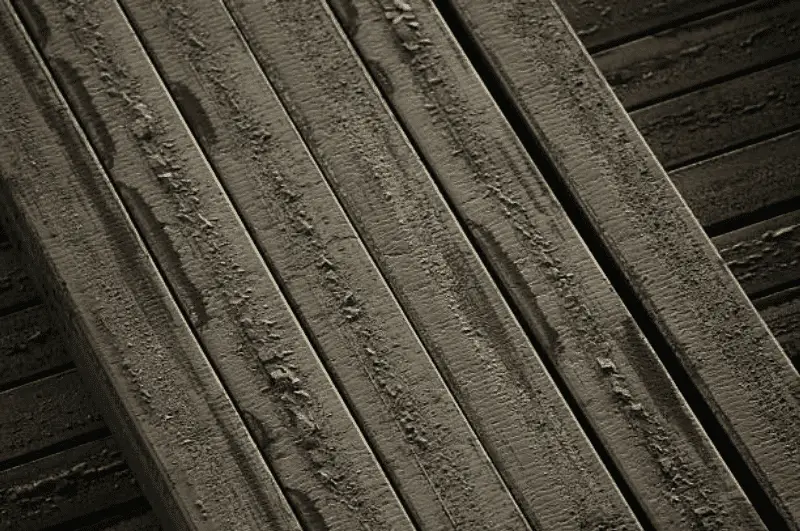
Harsh Weather Slowly Changes Structural Behaviour
Outdoor framing systems experience constant stress. The stress comes from rain, heat, humidity, cold, and the constant cycle of expansion. Each of these factors affects the wooden frames differently based on climate and exposure levels on the property.
What is more crucial is that most changes are gradual rather than sudden.
In coastal or humid areas, such a process occurs quickly because there is always high moisture content. Some parts of the frame may be wetter than other parts. Areas beneath planters, stair transitions, or shaded corners sometimes behave differently from wide open sections receiving direct sunlight and airflow.
The deck may remain usable and structurally sound, although its original precision slowly drifts over time. Experienced contractors notice this kind of long-term behaviour frequently because timber rarely stays completely unchanged outdoors forever, even after treatment and drying processes.
Builders Are Moving Toward More Complete Low-Maintenance Systems
The industry itself has started changing direction in recent years. Decking and framing are no longer treated as completely separate decisions, the way they often were in older construction approaches.
Builders now think more about how the entire system behaves together over time.
That shift explains why aluminum framing systems and engineered composite compatible substructures continue gaining popularity in premium outdoor projects. These systems resist moisture movement more effectively, maintain consistent geometry, and reduce many of the unpredictable changes associated with natural timber behaviour outdoors.
It is not necessarily about eliminating wood from construction entirely because timber still has value in many applications. The bigger goal is to reduce the lifespan mismatch between different components inside the same outdoor structure.
Homeowners increasingly want decks that feel stable ten or fifteen years later without major structural surprises hiding underneath the surface boards.
Manufacturers Are Adapting to These Expectations
The outdoor construction industry observes changes in buyer demand over time. Manufacturers have realized that they need to develop composite decking systems that integrate frames, surface materials, drainage structures, and fastening mechanisms so they work together rather than assembling components on site.
Firms like KR specialize in providing WPC decking, cladding, and fencing systems designed for enhanced durability and minimal maintenance over the long run.
It means that stability and reliability have become more important to buyers.
Conclusion
KDAT lumber still offers advantages over traditional pressure-treated wood, especially during installation, where lower moisture content and greater straightness improve handling and accuracy. But modern composite decking systems demand greater long-term consistency from framing than older outdoor builds do.
Moisture movement, gradual aging, and environmental stress all influence how the structure performs over time, even when changes are not immediately visible. That is why framing decisions carry more weight than they first appear in premium decking projects designed for long service life.
Timber framing does not always match the long-term expectations of modern low-maintenance decking systems, especially when compared with more stable subframe alternatives.
If you are planning a project, choosing the right subframe early can improve stability over time. For the right opinion or pick, you can also contact the KR.
FAQ
Is KDAT wood better than pressure-treated lumber for deck framing?
KDAT wood generally provides lower initial moisture content and better installation stability compared with standard pressure-treated lumber, although outdoor weather conditions can still influence movement and long-term structural behaviour over time.
Why do some builders avoid KDAT wood beneath composite decking?
Some contractors avoid KDAT framing because timber still reacts to moisture, temperature shifts, and seasonal weather cycles, which may affect alignment and consistency beneath composite decking surfaces designed for very long service life.
Can KDAT wood still absorb moisture outdoors?
Yes, KDAT lumber can still absorb and release moisture after installation because outdoor humidity, rainfall, and changing temperatures continue to affect timber naturally throughout different seasons.
What framing materials are becoming more popular with composite decking?
Many builders are increasingly using aluminum subframes and engineered composite compatible framing systems because they offer improved dimensional stability, lower maintenance demands, and more predictable long-term outdoor performance.