
Welcome to this categorized glossary of Wood-Plastic Composite (WPC) indoor acoustic wall paneling terms. This guide is designed for homeowners, contractors, and designers to use a consistent professional language when selecting materials, installing, and maintaining WPC acoustic panels. Each term includes a concise definition to facilitate quick reference.
PANEL TYPES AND PROFILES
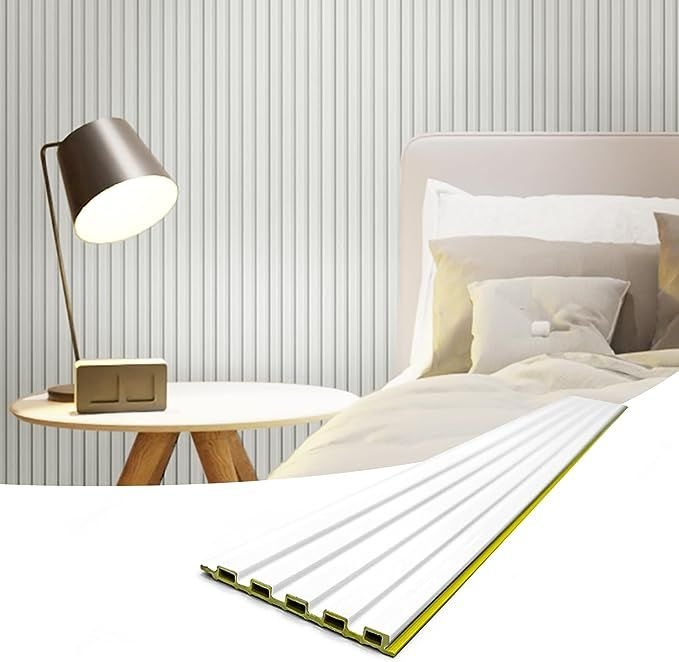
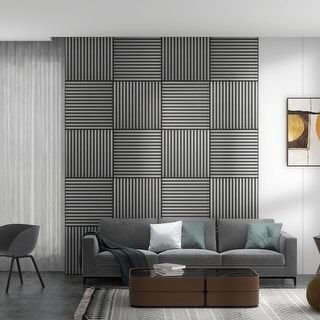
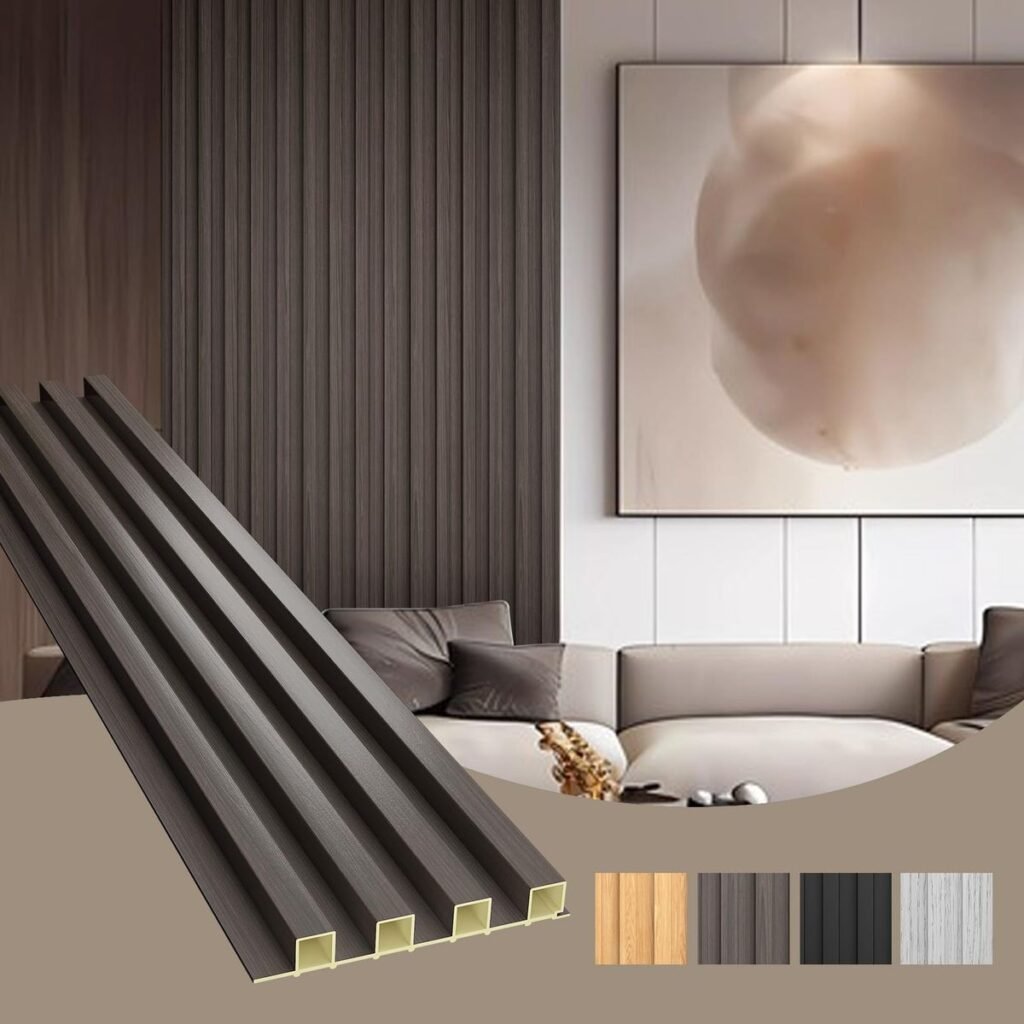
• WPC Indoor Acoustic Panel: A wall panel made from wood fiber and plastic designed for interior use with integrated or enhanced acoustic performance to absorb or diffuse sound.
• Capstock / Capstock Thickness: The outer protective layer on WPC boards/panels that provides UV resistance, color stability, and surface durability; thickness influences longevity and cost (less critical for indoor acoustics but relevant for wear resistance).
• Capstock Colors: The color options applied to the capstock to achieve desired aesthetics and fade resistance.
• Core: The internal material composition of a panel, typically a blend of wood fibers and plastics, determining strength, stability, and to some extent acoustic behavior.
• Perforated Panel: A panel with a regular pattern of holes or perforations to enhance sound absorption.
• Micro-Perforated Panel: Panels with very small perforations that optimize high-frequency absorption without sacrificing surface durability.
• Slotted Panel: Panels with slot openings that influence sound diffusion and absorption balance.
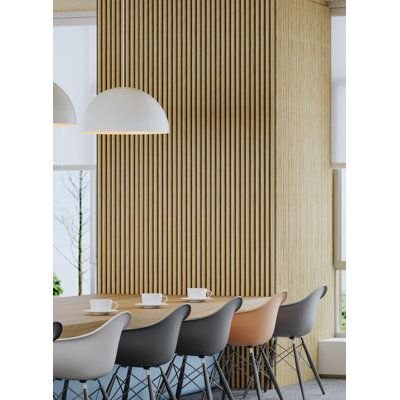
• Embossed / Textured / Brushed: Surface textures created to mimic wood grain or add tactile/visual interest, also affecting sound diffusion.
• Acoustic Backing: An internal or attached porous layer (e.g., mineral wool, foam, or fibrous felt) designed to boost sound absorption.
• Air Gap / Ventilated Backing: A space behind the panel that can improve acoustic performance by adding absorption or decoupling the panel from the wall.
• Panel Profile: The overall cross-sectional shape and edge design of a panel (flat, T&G, beaded, micro-perforated, etc.).
• Tongue-and-Groove (T&G): A cladding/interlock system where panels interlock via a tongue on one panel and a groove on the adjacent panel for a tight seam and stable alignment.
• Edge Treatments: Finishes at panel edges (square, beveled, micro-beveled) that influence aesthetics and ease of installation.
• Nosing / Fascia: Decorative or protective edge pieces used to complete the look and protect panel edges.
• Cove / Slice / Bevel Edges: Edge profiles that influence visual appeal and how panels meet at corners or transitions.
INSTALLATION AND SUBSTRUCTURE
• Substrate: The wall behind the acoustic panel, which may be drywall, cement board, or other interior surfaces prepared to receive panels.
• Adhesive Mounting: Panel attachment using construction adhesive suitable for WPC and wall substrates.
• Hidden Fasteners: Fastening systems that attach panels without visible screws on the surface for a clean look.
• Face Fasteners: Screws or fasteners that are visible on the panel face, typically used with non-hidden systems.
• Starter Clip / End Clip: Hidden fasteners used to secure the first and/or last row of panels for alignment and stability.
• Clip System: The complete family of hidden fastening components used with a particular panel profile.
• Clip Compatibility: How well a fastening system works with a given brand or panel profile.
• Plug: Decorative or protective caps that cover screw or clip holes for a clean finish.
• Expansion Gap: The intentional spacing between panels to allow for thermal expansion and moisture movement, also aiding acoustics by preventing tight seams.
• Alignment / Start / End Alignment: Ensuring consistent gaps, angles, and panel orientation during installation.
• Alignment Tools: Tools used to help achieve uniform spacing and alignment during layout.
• Backer Board / Acoustic Backing: A dedicated backing layer behind panels to improve sound absorption and reduce wall resonance.
• Perimeter Seals: Seals around panel edges to improve air-tightness and reduce sound leaks where required.
• Drywall Cutouts / Electrical Access: Accommodations for outlets, switches, and other wall features during panel installation.
FASTENERS AND CONNECTORS
• Screws: General term for fastening hardware used to secure panels to substructure members.
• Stainless Steel Screws / Coated Screws: Corrosion-resistant screws suitable for indoor/outdoor use with WPC, chosen for longevity and appearance.
• Flush Installation: Mounting panels so the screw heads sit flush with or below the panel surface for a clean top.
• Face Fasteners: Screws that are installed on the face of the panel, visible from outside.
• Hidden Fasteners: Fasteners that are not visible on the surface, providing a cleaner appearance.
• Starter Clip / End Clip: Hidden edge fasteners used to secure the first and last rows.
• Clip System: The full set of hidden fastening components used with a panel profile.
• Plug Color Matching: Using plugs that match the cladding color for a seamless look.
• Hardware Corrosion Resistance: The durability of fasteners and metal components in interior humid environments or humid spaces.
• Panel Fastener Size: Typical screw lengths vary by panel thickness and spacing (e.g., 25–60 mm or as specified by the brand).
• Sealant / Edge Sealant: Sealants used at panel edges or joints to improve air-tightness and moisture resistance.
SURFACE AND AESTHETICS
• Embossed / Textured / Brushed: Surface treatments that imitate wood grain and enhance tactile/visual appeal.
• Texture: Visual and tactile surface characteristics of the panel.
• Acoustic Color / Visual Color: Color options chosen for aesthetics; may differ from the actual acoustic properties.
• Perforation Pattern: The arrangement of holes/slots in perforated panels that influences absorption and appearance.
• Diffusion vs Absorption: Distinct acoustic outcomes; diffusion scatters sound, absorption reduces reverberation.
• Finish Options: Painted, stained, laminated, or natural veneer finishes affecting maintenance and appearance.
• Color Stability / Fade Resistance: Ability to maintain color under indoor lighting and occasional sunlight exposure.
• Edge Detailing: Finishes around panel edges to ensure clean lines and durability.
• Acoustic Fabric Wrapping: A fabric-on-panel option that adds aesthetic versatility and can affect absorption.
PERFORMANCE AND MATERIAL PROPERTIES
• Moisture Content (MC): The percentage of moisture contained in the panel, affecting dimensional stability and indoor performance.
• Acclimation: Allowing material to adjust to ambient site conditions before installation to reduce movement after installation.
• Dimensional Stability: The ability of the material to maintain dimensions with changes in moisture and temperature.
• Thermal Expansion / Heat Build-Up: Expansion and contraction behavior with temperature changes; indoor heat sources can influence gaps.
• Noise Reduction Coefficient (NRC): A single-number rating representing the panel’s average absorption across the audible frequency range (0.0 to 1.0).
• Sound Absorption Coefficient (SAC): Frequency-dependent absorption measurement at specific frequencies; panels may have varying values across the spectrum.
• STC (Sound Transmission Class): A rating indicating how well a wall/assembly resists airborne sound transmission; applicable when panels contribute to wall assemblies.
• αw (Weighted Sound Absorption Coefficient): A frequency-weighted metric used in some regions for classroom and room acoustics.
• Density / Mass: Mass per unit volume affecting both acoustic performance and rigidity.
• Fire Rating: Classification of a material’s fire performance (e.g., Class A/B) according to standards like ASTM E84; indoor panels should meet local fire codes.
• Flame Spread / Smoke Development: Metrics related to how quickly flames spread and how much smoke is produced.
• Durability / Impact Resistance: Ability to withstand physical wear, bumps, and handling during installation and use.
• Compatibility with Acoustic Backing: How well the panel works with backing materials in achieving target acoustics.
MAINTENANCE AND CARE
• Cleaning Methods: Recommended cleaning approaches (mild cleaners, water, non-abrasive tools) to preserve surface finish and acoustical properties.
• Routine Maintenance: Regular inspection, cleaning, and periodic checks of fasteners and seals.
• Staining / Mold / Mildew Control: Preventive and remedial measures for discoloration, mold, and mildew in damp environments.
• Repair Options: Solutions for minor scratches, surface damage, or delamination of vinyl or fabric coverings.
• Replacement Considerations: Guidelines for when to replace panels due to damage or decline in acoustic performance.
STANDARDS, CERTIFICATION AND BRAND COMPATIBILITY
• Warranty / Warranty Terms: Coverage details for materials, workmanship, and installation.
• Certification: Compliance with standards (e.g., ASTM, EN, ISO) or quality certifications for acoustics, emissions, or fire performance.
• VOC Compliance: Volatile organic compound limits and testing results to ensure indoor air quality.
• Fire Performance Certification: Verification of fire safety performance (e.g., NFPA, EN 13501-1).
• Batch Variation: Small color/texture or acoustic performance differences between production lots.
• Brand Compatibility: How well components from different brands work together (especially clips and fasteners).
SELECTION AND CONSTRUCTION CONSIDERATIONS
• Room Type & Acoustic Goals: Intended use (conference room, recording studio, classroom, etc.) and desired reverberation targets.
• Panel Thickness and Coverage: How thickness and coverage area influence absorption, aesthetics, and space planning.
• Corner and Edge Details: Finishes at corners and edges to ensure seamless installation and acoustical continuity.
• Mounting Method: Adhesive, mechanical fasteners, or a combination; impacts acoustic decoupling and ease of installation.
• Air Gap Considerations: Whether to include an air gap behind panels for enhanced absorption and ventilation.
• Humidity and Temperature: Indoor climate considerations that influence material performance and maintenance.
• Installation Direction: The recommended orientation for maximum acoustic effect and visual appeal.
• Substructure Material Choice: Balancing durability, cost, and environmental considerations when selecting the framing framework.
• Building Code Compliance: Ensuring installation meets local codes, fire safety requirements, and interior acoustics guidelines.
• Aesthetics vs. Acoustics Balance: Weighing visual design goals against acoustic performance to achieve a cohesive result.
ADDITIONAL ACOUSTIC PANEL TERMS (UPDATED)
• Reverberation Time (RT60): The time required for sound to decay by 60 dB in a room.
• Absorption Class (A–E, ISO 11654): European classification for absorption performance.
• Acoustic Decoupling: Methods to isolate panels from structural vibration to enhance sound isolation.
• Bass Trap / Low-frequency Absorption: Materials designed to absorb low-frequency energy.
• Diffuser / Diffusion Panel: Panels designed to scatter sound for better room acoustics.
• First Reflection Control: Managing early wall reflections for cleaner audio reproduction.
• Formaldehyde Emission Class (E0/E1): Indicates compliance with strict VOC/air-quality standards.
• CARB / EPA Compliance: U.S. emission regulations for composite and wood products.
• Anti-bacterial / Anti-microbial Surface: Surfaces that resist bacterial growth.
• Furring Strip / Batten: Wood or metal strips forming the mounting base for wall panels.
• Resilient Channel: Flexible channel used to reduce sound transmission through walls.
• Acoustic Sealant: Sealant used to block sound leaks at joints and edges.
• Mechanical Decouplers: Elastic mounting devices preventing vibration transfer.
• Z-Clip Mounting System: Metal clips enabling fast, removable wall panel installation.
• Leveling System: Tools or hardware ensuring panels are aligned on uneven walls.
• Veneer Finish / Real Wood Veneer: Natural wood surface layer for premium appearance.
• PET Felt Acoustic Panel: Polyester-fiber acoustic boards commonly used in modern interiors.
• Multi-layer Composite Structure: Multiple material layers designed for enhanced acoustic performance.
• UV Coating / Anti-scratch Coating: Surface coatings improving wear and scratch resistance.
• Impact Sound Reduction (ΔL): A measure of reduced impact noise through a surface.
• Fire Smoke Toxicity Rating: Classification of smoke toxicity under fire conditions.
• Moisture Resistance Rating: Indicates suitability for humid environments such as basements.
• Panel Modulation: Grid-based layout planning for panel alignment and aesthetics.
• Shadow Line: Designed gap between panels to create a visual shadow effect.
• Corner Profile / Inner Corner / Outer Corner: Trim pieces for clean corner finishing.
• Integrated Lighting Slot: Recessed channel for installing LED strip lighting.