Modern architecture is incomplete without wood plastic composite (WPC) panels. especially in applications like composite exterior cladding, where durability meets design. From commercial to residential construction and renovation, these panels have become indispensable. The growing demand for WPC panels has flourished the industry to an extent that even confuses buyers. In 2026’s competitive market, buyers encounter a huge variety of sizes with considerable price differences. This cost variation is also valid for differences in its dimensions, and usage. Thus it is a wiser approach to understand WPC panel’s thickness, applications and performance before comparing cost. Otherwise your wrong selection can lead to poor long-term results. So, let’s explore this in detail!
How Panel Thickness Influences WPC Panel Pricing
WPC panel pricing is directly linked to its thickness, giving a wide range of applications.
Common thickness ranges in the market
WPC panels are available in the market in different thickness options. Some are thin while others are medium-range to structural grade thick. The variation makes them ideally suitable for different applications. For instance, thin varieties work well for decorative applications where visual appeal is needed. Generally, thin decorative panels range from 5mm to 8mm. People can use them for interior decorations (feature walls, ceilings, display corners) or in areas that are not exposed to heavy impact.
On the contrary, medium-range panels’ thickness falls between 9mm to 18mm while their thick counterparts can range from 20mm up to 30mm. Both of these types are used where structural stability and durability are essential, such as exterior wall cladding, building facades, or areas exposed to direct environmental conditions.
Performance differences by thickness
Panel thickness is the determining factor of how well it performs under real-world conditions. Its load-bearing capacity, weather resistance and tolerance to any damage matters. As mentioned earlier, thin panels are made for visual interest. They are not built to withstand harsh outdoor conditions and are also vulnerable to dents, or damage – limiting their use to low-stress environments.
While thick panels offer structural-grade strength and durability with exceptional weather tolerance. They are less likely to bend, crack, or wrap even in high-traffic areas giving long-term shape stability.
Cost implications of thickness selection
The price range of WPC panels varies with their thickness. It is mainly due to the raw material being used or the complexities of manufacturing procedures. Thicker panels require more raw material (wood fiber and polymer) and are often built with advanced methods. In addition, strict quality control protocols are followed to ensure consistent density and thickness. This controlled manufacturing increases production cost that translates into high market price compared to thin panels.
Application Scenarios That Affect WPC Panel Cost
The real-world use of WPC panels is also one the most significant factors affecting its price.
Interior and semi-outdoor wall use
WPC panels used for interiors are comparatively affordable. They face controlled environmental conditions with less chances of wear and tear. Meaning, they are less likely to expose direct sunlight, moisture and heat. While the panels installed in semi-outdoor areas such as, covered patios, corridors or sheltered balconies experience occasional temperature fluctuations and humidity. They require moderate durability and protective finishing that ultimately increases their cost slightly.
Exterior wall and façade applications
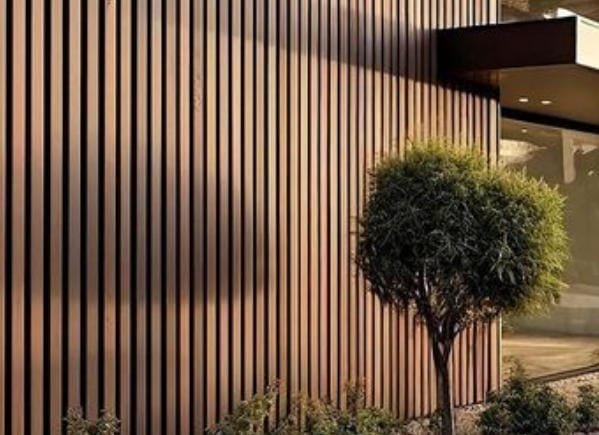
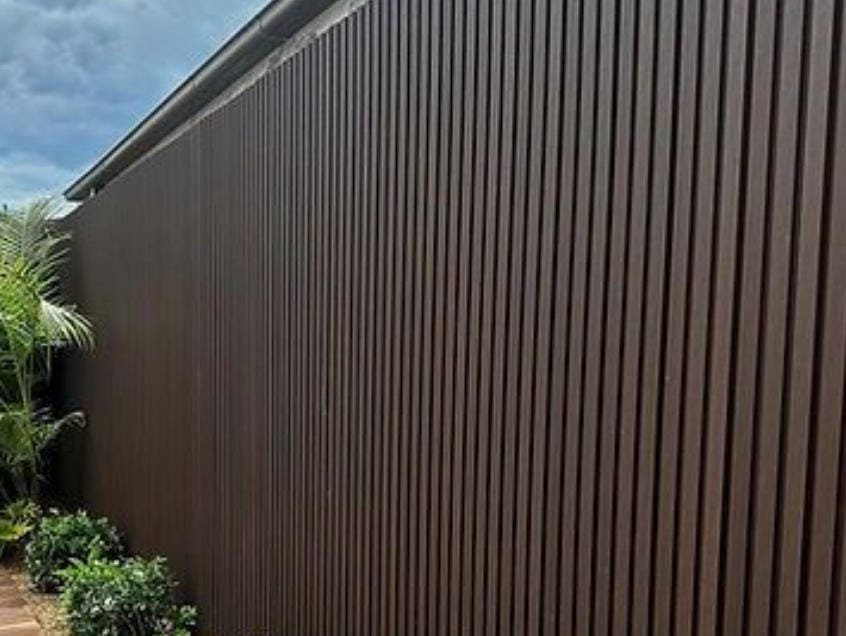
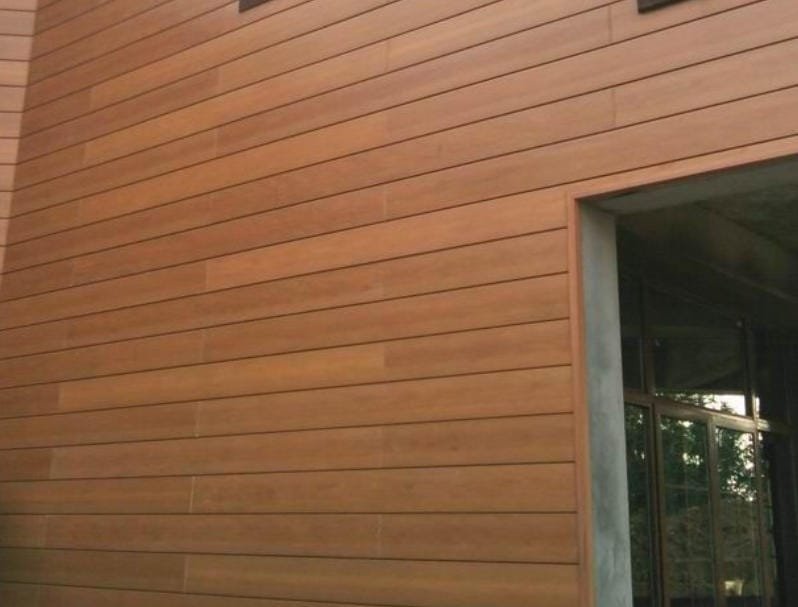
Exterior WPC wall panels used on building constantly exposed to rain, wind, UV-rays and sunlight. They have maximum chances of moisture buildup, face wind pressure or temperature expansion that can lead to structural damage. In fact, continuous UV exposure can result in fading or discoloration. To overcome these challenges, exterior WPC panels are made using high-quality materials, with strong core structures and UV-resistant coatings. A proper ventilation system must also be installed behind the panels to allow airflowflow and prevent moisture buildup. All these setups may cost extra bucks but are worth it.
Special-purpose installations
In public spaces such as shopping malls, restaurants, airports, or retail stores, WPC panels are constantly exposed to human contact. They are at high risk of surface damage (stains, scratches, dents). These commercial grade panels are built considering these aspects that even make them more expensive than residential panels. Same is the case with fire-rated WPC panels – manufactured using specialized treatments to slow flame spread.
Key Cost Factors Beyond Panel Thickness
In addition to panel thickness, other factors also affect panel pricing. These include:
Surface technology and finish
The surface of WPC panels decides its appearance, durability and long-term performance. The panels used indoors are designed with a basic manufacturing approach – embossing or smooth finishes that make them affordable. On the other hand, outdoor panels are constantly exposed to weather extremes and need advanced surface treatments and protocols. Co-extrusion is an advanced manufacturing process in which an additional protective layer is applied over the core WPC material. This layer helps protect the surface from moisture, UV-rays, stains and scratches.
Similarly, some panels are designed to achieve enhanced natural appeal with deep embossing or wood-grain patterns. This surface treatment and textured finish give panels a premium look but also make them slightly expensive.
Panel profile and design complexity
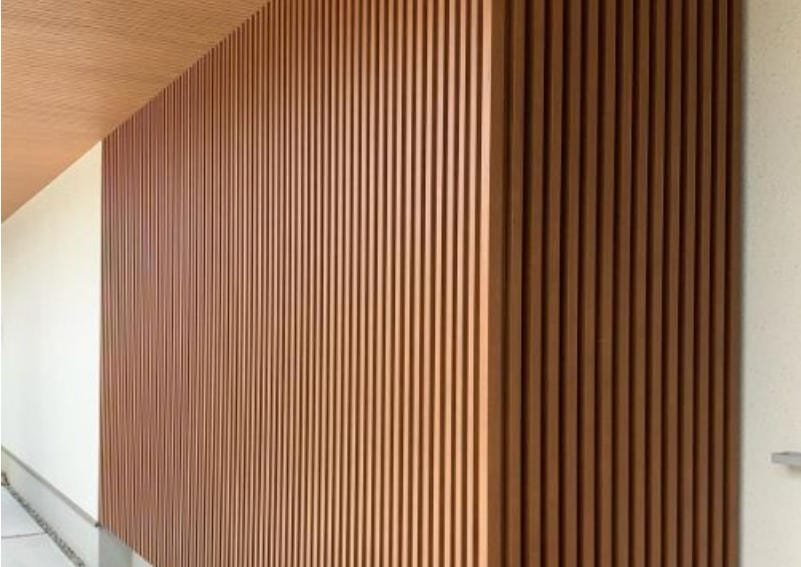
A wide range of panel profiles and designs is available in the market. Flat boards are more cost-effective for their simpler manufacturing. Fluted panels with linear grooves, or ribbed patterns cost extra for their complex production that require specialized molds and engineering.
Panels designed with advanced installation methods and interlocking systems also make projects budget-friendly. They make installation easy with fewer cuttings and adjustments generating minimum material waste.
Manufacturing standards and quality control
The long-term performance of WPC panels is entirely dependent on manufacturing standards and quality control protocols. The manufacturers using consistent formulations of raw materials – wood fiber, polymer and performance additives generate high-quality products. These panels are stronger and last longer than those made with low-quality raw materials.
Similarly, following strict quality control guidelines is also mandatory to meet top-quality expectations. The manufacturers applying modern production technology and testing produce more reliable products that cost high. This additional investment saves the budget in the longer run.
Price Expectations and Value Assessment in 2026
In 2026, WPC market has flourished more than ever – giving users a wide exposure to the variety and prices. Let’s focus on your price expectations:
Typical market price ranges
Before evaluating price ranges, do consider 3 main panel categories – entry-level, mid-range and premium grade. Their prices are justified for their category. For instance, entry-level panels are for indoor decorative use offering basic performance thus they cost minimum.
Mid-range panels are more suitable for both residential and ligh commercial applications giving improved durability and resistance. They are also mid-range and pocket-fridnly in terms of pricing.
Lastly, premium-grade panels are designed to bear weather extremes, environmental stress and human damage – making them most expensive.
Evaluating cost versus performance
Investing in high-quality WPC panels is one of the most suitable ways of minimizing long–term efforts. These panels are designed for exterior use which can maintain their performance and appearance for many years. They also require minimal upkeep or replacement sessions. On the other hand, lower-quality panels offer less upfront cost but their routine maintenance takes a huge budget.
Thus it is best to consider total cost (installation, maintenance, repairs and replacements) instead of per unit price.
Supplier transparency and technical support
Reliable suppliers provide clear product information covering their raw materials, panel thickness, installation guide and other specifications. It allows buyers to easily compare products from different resources and make an informed decision. The suppliers offering after-sale service, warranty and technical support also helps buyers in smooth purchase.
Conclusion
WPC panel pricing in 2026 is not only evident from its thickness. It is a combination of technical and application-related factors that sum up to give real value. The panel thickness decides its strength and use of raw materials still, advance treatments confirm how long it lasts. Ultimately, choosing the right panel means balancing the initial cost with its long-term benefits. Don’t be trapped in low-price deals and focus on longevity.
As a manufacturer focused on WPC Composite Decking, Composite Cladding, and Composite Fencing, KR WPC provides engineered solutions designed for stable performance and predictable lifecycle costs.
FAQ
- What factors affect WPC panel price the most?
The panel thickness, quality of raw materials and manufacturing methods affect WPC panel pricing the most. Price will be high for thicker panels. Similarly, exterior-grade panels, or panels with co-extruded surfaces cost more for their advanced production methods.
- Are thicker WPC panels always better for outdoor use?
Thicker WPC panels are most suitable for outdoor use because they offer better strength, impact resistance, and shape stability. Still, thickness alone is not enough and they must have proper surface protection and UV-resistance to avoid discoloration.
- Is WPC panel pricing different for interior and exterior applications?
Yes, WPC pricing is different for interior and exterior usage. The panels installed indoors face controlled conditions while exterior-grade panels require protection from environmental stresses which increases manufacturing complexity and cost.
- How does co-extrusion technology impact WPC panel cost?
In co-extrusion technology, an additional protective layer is applied to the panel surface. This layer provides resistance to fading, stains, scratches and moisture – minimizing maintenance requirements but it increases production cost making co-extruded panels expensive.
- Are fluted WPC panels more expensive than flat panels?
Fluted WPC panels are generally more expensive than flat panels for their complex molds and engineering methods.