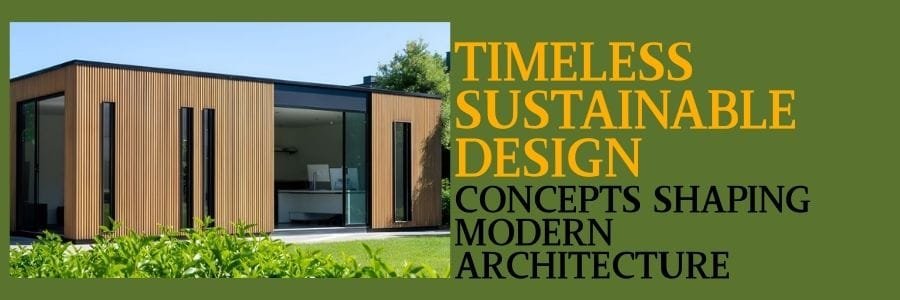
Introduction: Redefining Sustainable Architecture in Modern Design
Sustainable architecture used to be the stuff of award juries and glossy magazines—nice photos, impractical budgets, a lot of talk. Now it’s just… baseline. If your building needs repainting every two summers, warps the first time it sees real weather, or guzzles AC like it’s free, nobody calls that “character.” They call it a mistake.
Homeowners and architects are getting pickier for the right reasons: durability, low environmental impact, and designs that don’t fall apart the moment trends shift. That’s where material choices stop being “spec sheets” and start being the whole point. WPC (wood plastic composite) is one of the materials quietly reshaping exteriors—less romance than timber, but also less rot, less maintenance drama, and fewer weekend trips to buy stain and regret.
And yes, it matters. A lot.
Material-Driven Sustainable Architecture Concepts
First principle: if a material dies young, it’s not “sustainable.” It’s disposable with a better marketing team.
Using long-life composite materials is the boring move that saves the most resources over time. Traditional wood looks great—until it doesn’t. Sun checks it, rain swells it, fungus finds a cozy spot, and suddenly your “natural warmth” becomes a repair schedule. WPC’s big win is simple: it doesn’t need the same replacement cycle. Fewer tear-outs over decades means fewer trucks, fewer boards, fewer dumpsters. And fewer trees cut to keep up.
Incorporating recycled and reusable components is the next piece people miss. WPC products are often made using recycled wood fibers and plastics. That’s not magic. It’s just a practical way to keep material in use instead of sending it to landfill while we pretend “recycling” ends at the bin. When builders specify materials that already have recycled content, they’re pushing the market away from virgin extraction. Small choice, real ripple.
Designing for low maintenance performance is the sneaky sustainability benefit nobody brags about—because it’s not sexy. Paint, sealant, chemical treatments, constant touch-ups… that’s ongoing consumption. It’s also runoff, VOCs, and a lifetime of “just one more coat.” With WPC, the goal is to stop feeding the exterior like it’s a pet.
Design Strategies That Improve Environmental Performance
Materials matter. But design is where you either cut energy use—or lock in decades of overheating.
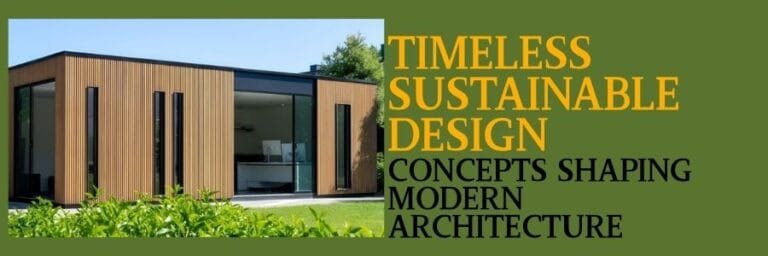
Passive design and climate responsiveness is not a vibe; it’s physics. Shading systems, deep overhangs, and exterior screens can reduce heat gain before it ever reaches the glass. Composite cladding and louvers can play a role here because they hold their shape and tolerate weather without needing constant babying. To achieve this level of durability and thermal performance, partnering with experienced composite cladding manufacturers ensures the material is engineered for real-world conditions. You’re not only controlling sunlight—you’re keeping the building’s skin stable, which is half the battle in real-world conditions.
Indoor-outdoor architectural integration is where modern design likes to show off. Big openings, patios, balconies, rooftop terraces. But if the exterior floor system or wall finish can’t handle sun and water, those “connections” become liabilities. WPC decking and wall systems are often used to create clean transitions—flush thresholds, continuous surfaces, fewer material clashes—while still handling moisture and UV better than many wood setups. And when outdoor spaces are comfortable, people actually use them, which reduces the pressure to over-condition the interior. Not always. Often.
Modular and adaptable structures are the grown-up answer to changing needs. Families change. Businesses shift. Codes get updated. A building that can’t adapt gets demolished early, which is the opposite of sustainable. Prefabricated components reduce offcuts and site waste. Flexible layouts extend lifespan. If you can swap panels, reconfigure screens, or update a façade without ripping the whole thing apart, you’re designing for time—not just for photos.
Landscape and Exterior Sustainability Ideas
Outdoor spaces are where sustainability goes to die… unless you get serious about materials.
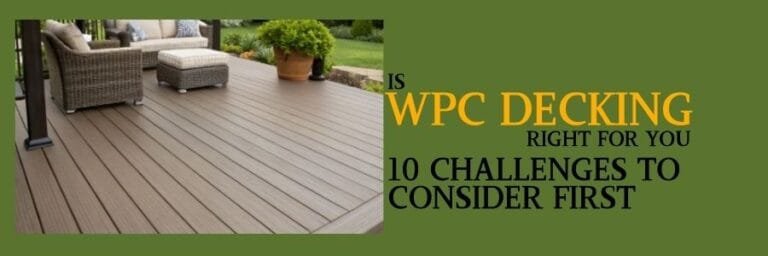
Eco-friendly outdoor living spaces need surfaces that don’t turn into splinters, mold farms, or maintenance traps. WPC decking works well for terraces, balconies, and rooftop areas because it’s built for exposure. In hot sun, freezing winters, salty coastal air—real places, not renderings—weather resistance is not a “nice extra.” It’s the requirement.
Sustainable fencing and boundary solutions are another overlooked zone. People default to chemical-treated wood because it’s familiar, then act surprised when it fades, warps, or needs replacing. Composite fencing avoids that chemical-treatment path and stays visually consistent longer. Privacy shouldn’t come with a side of preservatives leaching into soil.That’s why working with a reputable composite fencing supplier matters—they provide systems designed for long-term exposure without compromising on environmental safety.
Urban green architecture applications look great until the support structure fails. Vertical gardens, green walls, screening frames—these systems live in moisture and stress. Composite substructures can help here because you’re not asking a water-sensitive material to behave like steel. In dense cities, where access for repair is miserable and expensive, durability is sustainability. Period.
Technology and Lifecycle-Focused Design Approaches
The greenest building isn’t the one with the loudest claim. It’s the one that stays functional.
Designing for durability and lifecycle efficiency means fewer repairs and fewer replacements over decades. That doesn’t just save money; it lowers embodied carbon over time because you’re not repeatedly manufacturing, transporting, and installing new material to replace what failed early. That’s the part most “eco” conversations skip because it’s not a single dramatic number. It’s steady, compounding impact.
Simplifying end-of-life material management is the hard truth section. Mixed materials are a pain to separate. Some systems are basically glued-together garbage the day they’re installed. If assemblies are designed for disassembly—mechanical fasteners, modular panels, replaceable parts—you give the next owner options besides demolition. WPC is a composite, so recycling depends on local programs and manufacturer pathways; it’s not automatically “curbside recyclable.” But designing so pieces can be removed intact still matters. Reuse beats shredding.
Aligning aesthetics with sustainability is where architects either win people over or lose them. Many want natural textures without feeding deforestation or tropical hardwood demand. WPC can give a wood-like finish with modern lines, consistent color, and fewer compromises—especially on big exterior surfaces where “natural variation” quickly turns into “uneven weathering.”
Conclusion: Building a Sustainable Future with Smart Material Choices
Sustainable architecture isn’t a buzzword. It’s what happens when you design for long life, specify materials that don’t self-destruct, and stop pretending maintenance doesn’t count.
WPC products offer a practical balance: lower upkeep, long service life, and a path away from constant timber replacement. Used well—decking, cladding, fencing—it helps turn sustainability from a concept into a building you can live with for the next twenty or thirty years without fighting it. And if you’re sourcing from a manufacturer like KR WPC, the point isn’t to “go green.” It’s to build exteriors that last.
FAQ
Is WPC considered an eco-friendly building material?
It can be—mainly when it includes recycled content and when its long lifespan reduces replacement. “Eco-friendly” isn’t automatic; it depends on formulation, sourcing, and how long it stays in service.
What are the benefits of using WPC in exterior design?
Lower maintenance, better resistance to moisture and weathering than many wood setups, and fewer recurring coatings or chemical treatments. It’s also consistent—useful when you’re covering large areas.
How long do WPC materials last compared to natural wood?
Quality WPC is commonly chosen for multi-decade exterior use, while many wood exteriors demand more frequent repair and refinishing. Actual lifespan depends on climate, install quality, and product grade.
Does WPC help reduce deforestation?
Indirectly, yes—when it replaces timber demand, especially for applications where wood is routinely replaced due to rot or weather damage. It’s not a cure-all, but it reduces pressure.
Are WPC decking and cladding recyclable?
Sometimes, but not always through standard municipal recycling. WPC is a blended material; recycling depends on local facilities and manufacturer take-back options. Designing for removal and reuse is still a big step forward.