If you take a quick drive around the newer neighborhoods, you will notice a big shift in how houses look. The old style of plain painted concrete or expensive and high-maintenance wood is gone. It has been replaced by something much sleeker. This is composite cladding.
The demand for composite exterior cladding is skyrocketing. This is because homeowners are finally tired of repainting their exterior walls every two years.
In outdoor environments, traditional materials have a hard time. Wood eventually rots or gets eaten by termites. The masonry often cracks or develops ugly moisture stains during the rainy season.
Composite cladding has stepped in as the best modern alternative. It offers the high-end look of timber with the toughness of a shield. It is fast to install. It stays beautiful without any sanding or staining. For anyone looking to protect their home WPC-based cladding is proving to be the smartest investment.
What is Composite Cladding?
Composite cladding is a high-tech exterior wall covering. It is made from a combination of recycled wood fibers and plastic resins. It is designed to act as a protective coating for your home. It provides a natural look of real timber. Yet there is no constant need for painting or sanding.
What Composite Cladding Is Made Of
Unlike simple wood planks, the composite cladding is an engineered product. This is built in a factory to fix the problems that natural wood usually has.
Core Material Composition
1. The Wood-Polymer Blend:
Most high-quality composite cladding consists of about 60% wood fibers (often recycled sawdust or wood flour) and 30% polymer resins like high-density polyethylene (HDPE) or PVC.
2. Performance Additives:
The remaining 10% is made of essential additives. These include UV stabilizers to stop the sun from bleaching the color, anti-fungal agents to prevent mold in humid areas, and coupling agents that ensure the wood and plastic bond perfectly together.
How WPC Differs from Other Panels
While there are many composite panels like fiber cement or PVC, WPC (Wood-Plastic Composite) is unique because it balances look and performance.
Natural Appearance:
It contains actual wood fibers. Hence, it provides a warm and tactile feel that 100% plastic panels cannot match.
Dimensional Stability:
It stays straight. Solid wood cladding often warps, twists, or cups when it gets wet and then dries in the hot sun.
WPC is engineered to have greater dimensional stability. This means it will not grow or shrink nearly as much as real wood.
Manufacturing and Panel Structure
The way the WPC fencing and composite cladding boards are made ensures every piece is identical.
The Extrusion Process:
The raw materials are melted and pushed through a metal mold (die). This is done under high pressure. This extrusion process creates a consistent profile every time. Hence the boards lock together perfectly during installation,
Solid vs. Hollow Boards:
Hollow Boards have tunnels running through them. They are lightweight, easier to install, and help with insulation.
Solid Boards are denser and tougher. They are the best choice for areas where the wall might take a hit (like a driveway or a public walkway). This is because they have much higher impact resistance.
How Composite Cladding Works on a Wall System
The composite cladding functions as a sophisticated ventilated façade system.
This means it does not just sit against your wall. Rather it keeps your home dry and cool.
The Ventilated Façade
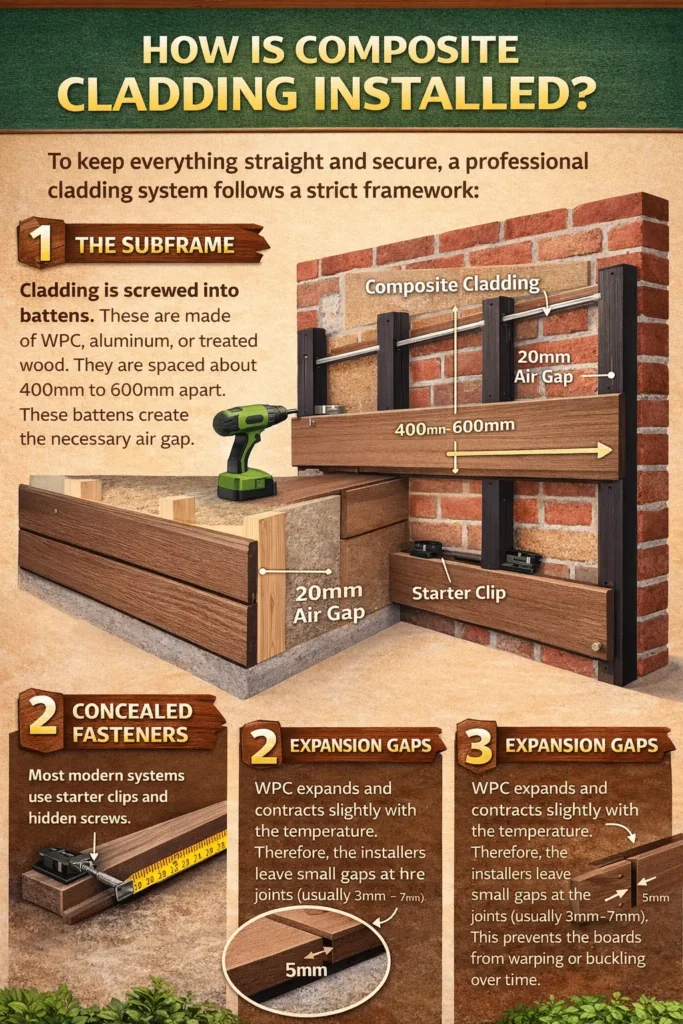
When WPC cladding is installed, it is not glued directly to your concrete or hollow block wall. Instead, it is fixed to a subframe. This creates a small air cavity of usually 20mm to 35mm between the panel and the structure.
Airflow and The Chimney Effect:
This gap allows air to circulate from bottom to top. As the sun heats the cladding, the air inside the gap rises. This pulls cooler air in from the bottom. This chimney effect carries away excess heat before it can soak into your house.
Moisture Control:
During the rainy season, some moisture will inevitably get behind the panels. The constant airflow dries out this water quickly. This prevents mold and rot from damaging your main walls.
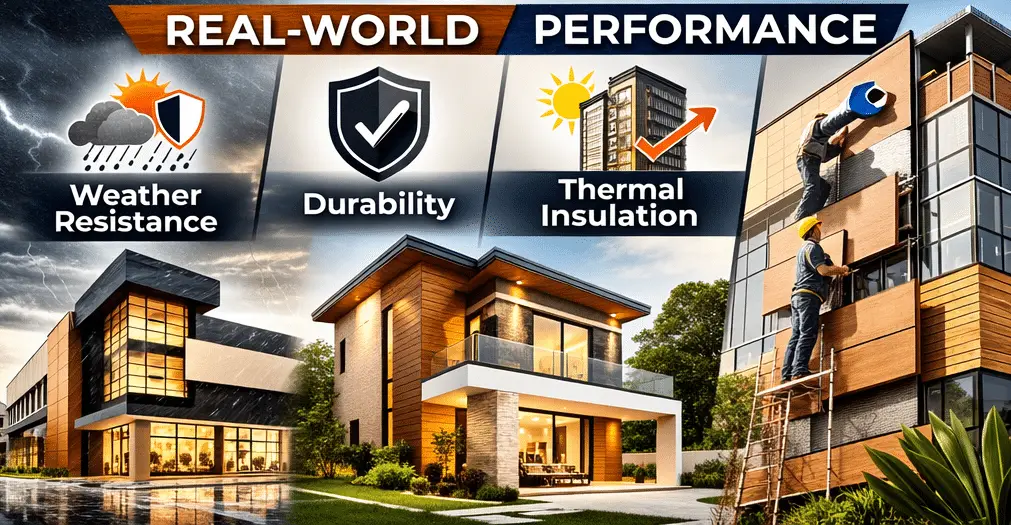
Weather Protection and Insulation
The cladding acts as the first line of defense for your property.
Rain and UV Shield:
It takes the brunt of the tropical rain and the bleaching UV rays of the sun, protecting the structural core of your building from weathering.
Thermal and Acoustic Perks:
Beyond keeping you dry, the combination of the dense composite material and the air gap helps dampen outside noise. It is best if you live near a busy road.
It also provides a thermal buffer that can lower your air conditioning bills.
How is Composite Cladding Installed
To keep everything straight and secure, a professional cladding system follows a strict framework:
The Subframe:
Cladding is screwed into battens. These are made of WPC, aluminum, or treated wood. They are spaced about 400mm to 600mm apart. These battens create the necessary air gap.
Concealed Fasteners:
Most modern systems use starter clips and hidden screws. This means you do not see any ugly nail heads on your beautiful wood-look wall.
Expansion Gaps:
WPC expands and contracts slightly with the temperature. Therefore, the installers leave small gaps at the joints (usually 3mm to 7mm). This prevents the boards from warping or buckling over time.
Why WPC Composite Cladding Is Widely Used
Benefits of WPC Composite Cladding in the Outdoors
The biggest reason for the switch to composite is its sheer toughness against the elements.
Termite and Rot Proof:
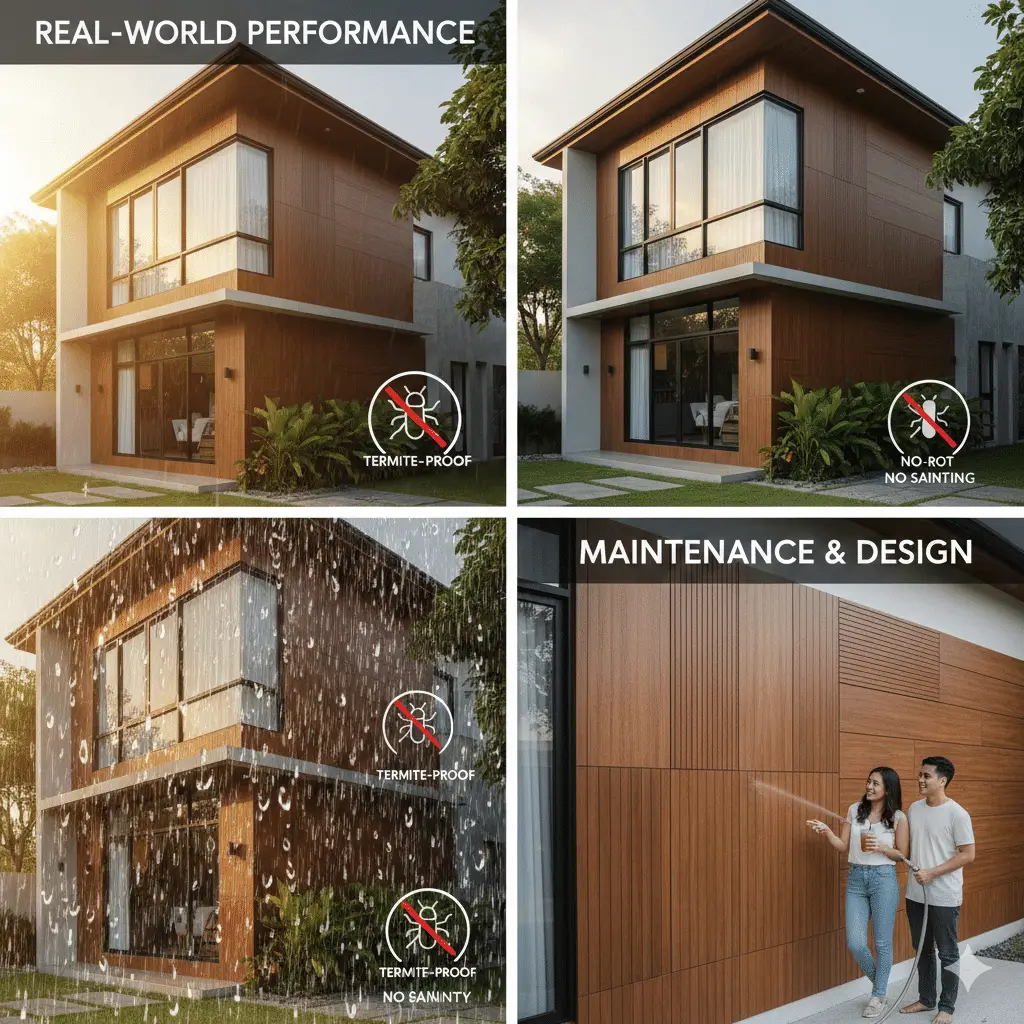
Unlike real wood, WPC is biologically inert. Termites cannot digest it. Additionally, mold will not grow on it. This is because it does not absorb moisture like a sponge.
Weather Stability:
WPC is engineered for superior weather resistance. This means it stays stable. It can keep its shape without warping or cupping.
Advantages of Durability and Low Maintenance
If you have ever had to pay for a full exterior house repaint, you know how painful the bill can be. WPC cladding changes the math of home ownership.
Zero Paint Required:
The color is baked into the material. There is no peeling, flaking, or the need for a fresh coat of varnish every summer.
Simple Cleaning:
Maintenance usually just involves a garden hose and some mild soap.
Modern Design Versatility
Modern WPC panels allow architects to play with aesthetics that were previously too difficult or expensive to maintain.
Colors and Textures:
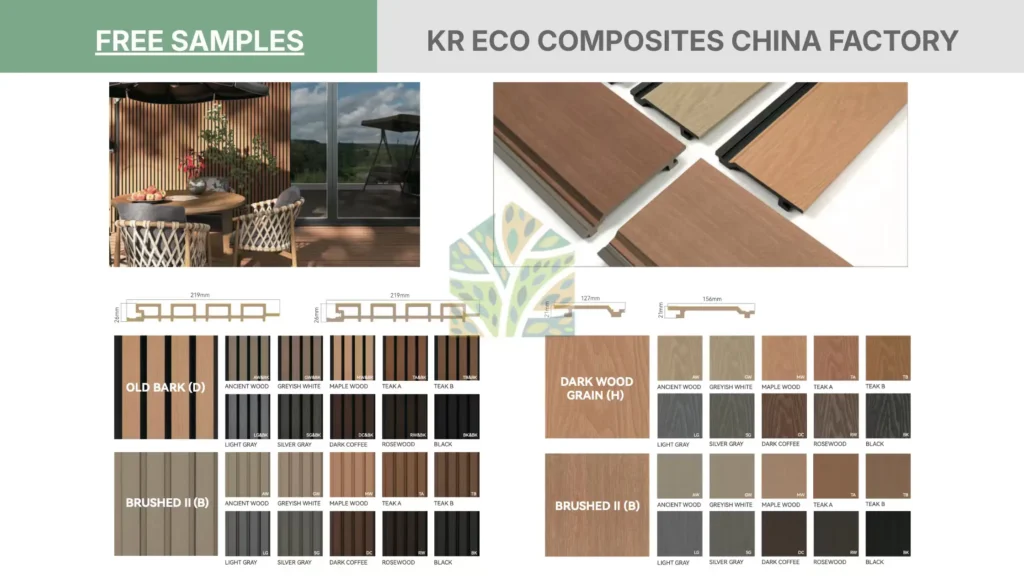
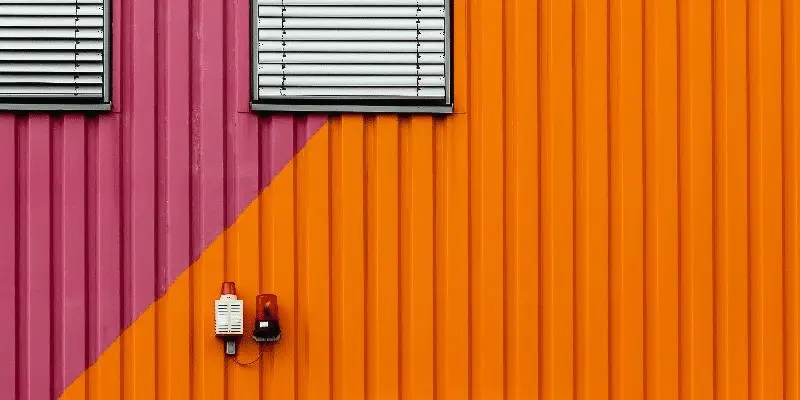
There are different looks for different profiles. From deep teak wood grains to modern slate grays.
Mixed Materials:
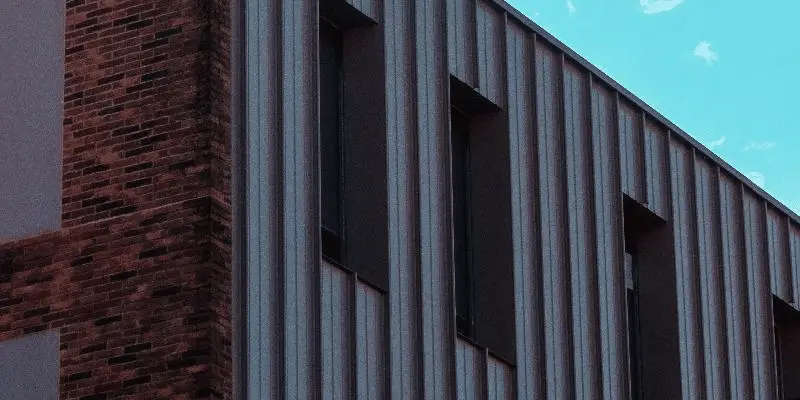
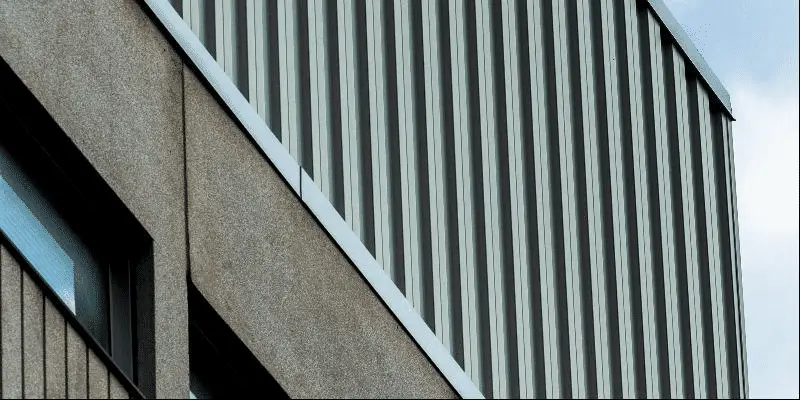
You can often see WPC cladding mixed with glass, stone, or metal. It adds a warmer feel to industrial designs that can otherwise feel cold and sterile.
Where Composite Cladding Is Commonly Applied
Residential Exterior Walls
Homeowners use WPC cladding. It gives the property a modern and wood-like finish.
Full Façades:
WPC Cladding can used to wrap entire houses or villas in a protective and weather-resistant shell. Moreover it also enhances curb appeal.
Accent Walls and Balconies:
They are frequently used on specific sections. This includes entryways, balcony enclosures or feature walls. They add texture and warmth to the modern architectural designs.
Commercial and Public Projects
In the commercial sector of buildings the priority is high visual impact. They want with zero maintenance chores.
Retail and Office Spaces:
Shops and offices use cladding. This is done to maintain a premium brand image without the need for periodic repainting or repairs.
Hotels and Schools:
Cladding is best for large-scale buildings where durability and visual consistency are essential for keeping long-term operating costs low.
Renovation and Retrofit Projects
Composite cladding is a favorite for home facelifts. It can be installed over existing structures.
Modernizing Outdated Walls:
It allows owners to upgrade old, stained concrete or brick façades without the mess of heavy structural demolition.
Maintenance Solutions:
Retrofitting old buildings with WPC panels instantly reduces maintenance demands. At the same time it provides an extra layer of insulation and weather protection.
Conclusion
At the end of the day composite cladding is a hardworking shield for your property. It takes the best parts of wood and plastic. It gives you a wall that looks high-end. But refuses to rot, fade, or get eaten by bugs.
By understanding how the materials work together and how the airflow system keeps your home cool, you can stop worrying about constant repairs. It start enjoying a maintenance-free exterior.
At KR WPC, we provide the engineered decking, cladding, and fencing solutions that turn a high-maintenance property into a modern and worry-free home.
FAQs
What is composite cladding made of?
It is a hybrid material. It combines nature and science. It consists of about 60% recycled wood fibers. There is 30% high-density plastics (like HDPE). 10% is a mix of bonding agents and additives like UV stabilizers and anti-fungal.
How does WPC composite cladding differ from traditional wood cladding?
The main difference is the aftercare. Traditional wood is beautiful but high-maintenance. It needs to be sanded, stained, and sealed every year to prevent rot and termites. WPC cladding comes pre-finished and is naturally resistant to pests and decay.
Is composite cladding suitable for exterior walls?
Absolutely. It is specifically engineered to handle the outdoors. Because it doesn’t absorb water like real timber, it won’t swell during heavy rain or crack during heatwaves. It acts as a protective rain-screen. It shields your home’s actual structure from moisture and UV damage.
Does WPC cladding fade or crack over time?
Modern capped (shielded) WPC cladding is highly resistant to both. The standard boards use advanced UV inhibitors to lock in color. They are also designed to be dimensionally stable.
How long does WPC composite cladding typically last?
You can expect a high-quality installation to last between 25 to 30 years. Some premium systems can even reach 50 years with basic care.