In modern architecture, outdoor wall cladding material is not just the visible wall structure. It is the fundamental element defining a building’s performance, appearance and longevity. Beyond aesthetics, wall cladding serves as a shield against environmental stresses – rain, humidity, UV exposure, and weather extremes. Thus, conscious selection of wall cladding materials is required considering all climatic conditions, durability and upkeep requirements. This is only possible by studying all materials available in the market and making their comparative analysis with composite solutions like wood plastic composite (WPC). Let’s delve into the details covering all the aspects of choosing the right exterior wall cladding material – with their roles and much more.
Understanding the Role of Exterior Wall Cladding
Protection against outdoor conditions
Outdoor wall cladding is the first line of defense of a home facing direct environmental conditions. Rain water penetrates buildings causing mold growth and structural decay. Same is the case with UV-exposure that results in fading and brittleness. Wall cladding not only shields walls from moisture but also gives UV resistance (maintain color consistency).
Temperature regulation is another great benefit of wall cladding. Weather extremes (both hot and cold) cause wall cracks and warping but protective wall cladding absorbs all this environmental stress.
Contribution to building performance
Cladding is more than just a decorative element now. It helps uplift buildings’ overall performance. For instance, it works as a thermal buffer – keeps buildings cool in summer and warm in winter. The logic behind is – cladding adds an extra layer between the building’s interior and outdoor environment. This additional layer helps reduce heat transfer that leads to less energy consumption for heating and cooling.
Similarly, modern cladding comes with a ventilated cavity between the cladding and the wall. This gap allows air to circulate thus regulates indoor air temperature.
Wall cladding is also a great choice for homes in urban or high-traffic areas as it significantly reduces noise.
Architectural identity and curb appeal
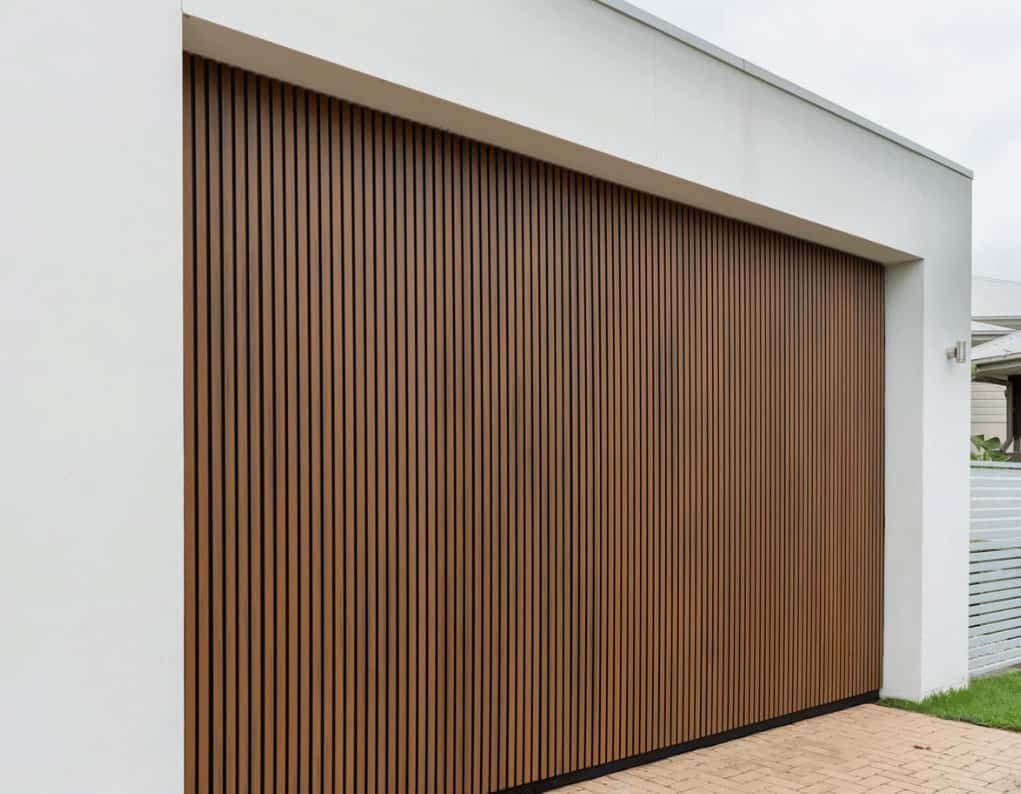
A building’s exterior is the first thing people notice about a place and wall cladding never fails to define its visual personality. It creates a modern yet minimal outlook with neutral tones and simple panel arrangements. The good news is, achieving color and pattern consistency with this wall cladding is easy and lasts for longer.
Popular Exterior Wall Cladding Materials Compared
The looks and life of exterior wall cladding primarily depends on the choice of materials. The market offers a wide range of options – from natural wood to engineered solutions – each with its own benefits and limitations. Let’s deeply discover them all:
Natural material solutions
- Solid wood cladding – is a popular choice for rich and organic warmth with natural texture. It also seamlessly blends with landscapes and is mostly favored for rustic appearance. The cause of concern with wood is – exposure to outdoor conditions. In humid or high rainfall areas, wood cladding is at high risk of rot. Moisture absorption can also lead to swelling or insect damage that ultimately results in high maintenance cost (sealing, staining, repainting).
- Stone and brick facades – are traditional architectural entities. These materials give utmost strength and durability for years but with considerably high upfront cost. Heavy structural load requires reinforced foundations. Similarly, high transportation and labor cost for extended installation periods can take your considerable budget.
Metal and cement-based panels
- Aluminum and steel cladding – is a great choice for individuals looking for a clean and sleek style (industrial look). It also offers structural strength with lightweight installation still it comes with its downsides. Metal can absorb heat and increase indoor temperature – causing high energy efficiency cost. At the same time, steel may corrode without protective coatings and get scratches over time.
- Fiber cement boards – are made from cellulose fiber, sand and cement. They offer a good balance of durability with affordability. In fact, they are fire-resistant and moisture resistant but have limited design flexibility.
WPC composite wall cladding
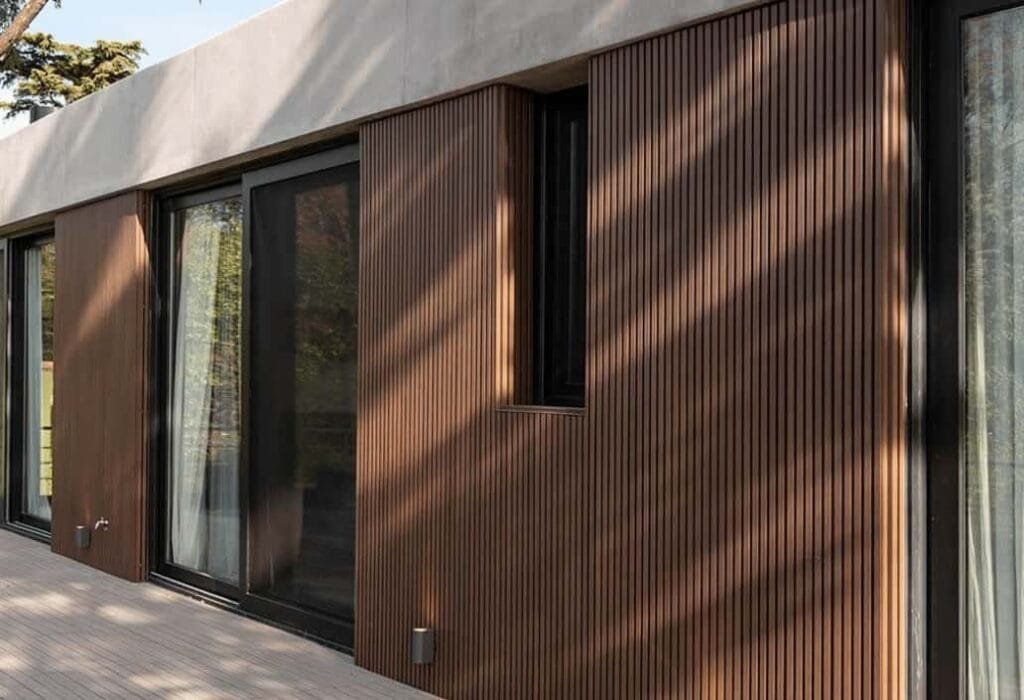
Wood plastic composite (WPC) is a popular and most demanding architectural choice for its durability, and strength. Unlike natural wood, WPC is engineered to withstand harsh environmental conditions without any risk of damage. Its high moisture resistance reduces the risk of swelling and insect damage. Advanced UV stabilizers also make it safe from UV rays.
WPC also gives a perfect balance of wood-like appearance with lower upkeep requirements.
Why WPC Is Becoming a Preferred Outdoor Wall Cladding Material
Here are some solid reasons:
Durability in exterior environments
Wood plastic composite is far more durable in harsh weather conditions. It is engineered to withstand humid, and rainy climates without significant deterioration. The walls resist moisture absorption thus minimizing the risk of rot, fungal growth and insect damage. WPC walls are also less prone to cracks, warping and splitting making it the first choice of homeowners.
Low maintenance over time
One of the biggest advantages of wood plastic composite is its low maintenance. Unlike traditional wood, high moisture and UV resistance make it less prone to damage or discoloration. In this way, walls’ strength and character is secured. They do not require frequent painting, staining or sealing to repair damage. Routine cleaning of WPC walls is also easy. A simple wet wipe or use of a mild detergent regains their original visual appeal.
Design versatility
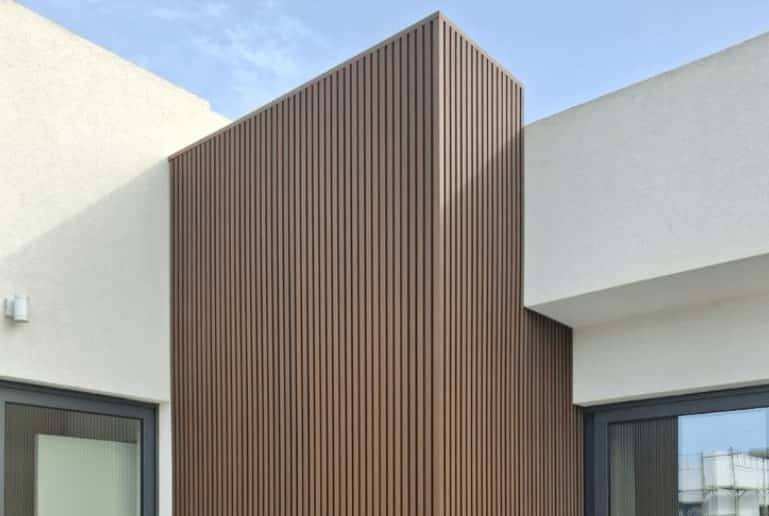
WPC offers a huge range of design flexibility to match any architectural theme. The wall cladding is available in different colors, textures and finishes. Even most of the patterns mimic natural wood to achieve real wood aesthetics. This considerable variety and versatility allows architects to get desired themes whether it is residential, commercial or public building.
Sustainability advantages
In this eco-conscious world, WPC has gained significant importance for its sustainability. Many WPC products incorporate recycled wood fibers and plastics – thus reducing waste. Similarly, its wider acceptance has reduced reliance on natural wood that means people are now interested in saving nature.
Key Factors to Consider When Choosing Exterior Wall Cladding
Choosing right exterior wall cladding is critical but gets easier with clear understanding of key factors as discussed here:
Climate and environmental exposure
Climatic condition is one of the most prominent factors affecting selection of exterior wall cladding materials. Different regions like coastal, tropical or extreme temperature zone areas affect building material in a different way. Their intensity of rainfall, humidity, wind pressure and temperature fluctuations all count in the overall life of wall material.
Maintenance expectations
Maintenance requirements vary significantly between different cladding materials. Some materials require regular treatments to maintain visual appeal and structural integrity while others demand minimal upkeep.
Installation and structural requirements
Select any wall cladding material considering the load capacity of a building as proper installation is required to firmly hold the wall.
Budget versus long-term value
Initial investment is a prime factor before choosing cladding materials but don’t overlook its long-term value. Focus should be on durability, resistance to environmental factors, and maintenance requirements. Thus investing in slightly expensive material can reduce repair and replacement cost giving a lifetime benefit.
Supplier reliability and product quality
Choosing a reliable supplier with quality products can save half of your problems. Therefore, always look up to promised certifications of fire, moisture and UV resistance. Check the availability of technical support and installation guidance along with consistency of material quality.
Conclusion
Exterior wall cladding is not just a surface finish – it is a long-term investment in terms of protection, performance and aesthetics. Choosing right wall cladding material requires careful consideration of durability, maintenance and personal preferences for long-term value. Wood Plastic Composite (WPC) is the only successful option among all available materials offering a balanced approach – wood resemblance, low maintenance and high resilience. Thus, it is advisable to consider reputed brands like KR WPC, specializing in WPC composite decking, composite cladding, and composite fencing, providing integrated exterior solutions for cohesive architectural design.
FAQ
- What is the best exterior wall cladding material for humid climates?
Wood plastic composite (WPC) is one of the best exterior wall cladding materials for humid climates for its high moisture resistance. Its capacity to resist water absorption, swelling and rot makes it an ideal choice for homeowners and architects.
- Is WPC wall cladding suitable for outdoor use year-round?
Yes, WPC wall cladding is not only suitable but highly recommended for outdoor use year-round. It is specifically engineered to withstand weather extremes, rain and sun exposure without cracking, warping or losing strength.
- How long does WPC exterior cladding last compared to wood?
WPC exterior cladding can last 2 to 3 times longer than natural or untreated wood in an outdoor environment. Normally, wood can deteriorate within 5 to 10 years but WPC can last 20 to 25 years depending on installation, climate and maintenance.
- Does WPC wall cladding fade under sunlight?
WPC is manufactured with UV stabilizers and has strong UV resistance that helps it retain color under sunlight. However, direct and prolonged exposure to sun can make slight variations in color.
- What is the maintenance difference between WPC and natural wood cladding?
WPC cladding requires minimal maintenance – no regular sealing, staining or repainting due to less surface damage. Natural wood cladding is more prone to rot, insect damage and warping thus requires frequent upkeep sessions.