Introduction
Most “exteriors” are treated like a paint job: pick a color, slap it on, hope the weather behaves. And then people act shocked when the south wall fades, the trim cups, and the bottom courses start looking like they’ve been marinading in damp leaves.
Cladding isn’t decoration. It’s the part of your house that takes the daily beating—sun, wind-driven rain, freeze-thaw swings, lawn sprinklers hitting the same spot for three summers straight. So yeah, homeowners and designers are expecting more than “it covers the studs.”
That’s where modern cladding materials earn their keep. You’re not just hiding plywood; you’re choosing a system that can manage water, handle UV, and keep its shape without needing a weekend of scraping and repainting every couple of years.
And WPC (wood-plastic composite) has become a serious contender because it can deliver that performance while still giving you a warm, wood-like surface. Without the wood drama. You know the kind.
What Exterior Cladding Really Does for a Home
People talk about cladding like it’s a skin. Fine. But a good “skin” does jobs—lots of them—without begging for attention.
First: protection. Cladding is the sacrificial layer that takes the hit from UV and weather so your structure doesn’t have to. Sunlight breaks down finishes. Wind pushes rain sideways and up. Snow sits in corners. If your exterior surface can’t handle that, water finds a way in, and water is patient. It will wait all season to ruin your sheathing.
Second: moisture control. Cladding helps reduce bulk water contact with the wall assembly, and in many systems it’s paired with gaps, drainage planes, and ventilation so the wall can dry out instead of staying damp. That drying ability is the quiet difference between a wall that lasts and a wall that slowly turns into a science experiment.
Third: stability over time. Exterior walls move—heat, cold, humidity, settling. Cladding that holds its shape helps the façade stay crisp instead of getting wavy, gappy, and “why does that corner look tired?”
And then there’s the part architects actually get excited about: expression. Cladding lets you create clean lines, shadow bands, and texture—depth you can see from the curb. It can also tie the whole outdoor zone together, so your walls don’t look like one material, your deck another, and your fence like it came from a different house entirely. Consistency reads as intentional. Chaos reads as “we ran out of budget.”
Why WPC Cladding Delivers High Performance Outdoors
Natural wood looks great. For about five minutes. Then it starts negotiating: “How about you sand me?” “How about you stain me?” “How about I split right down the face because the sun cooked one side harder than the other?”
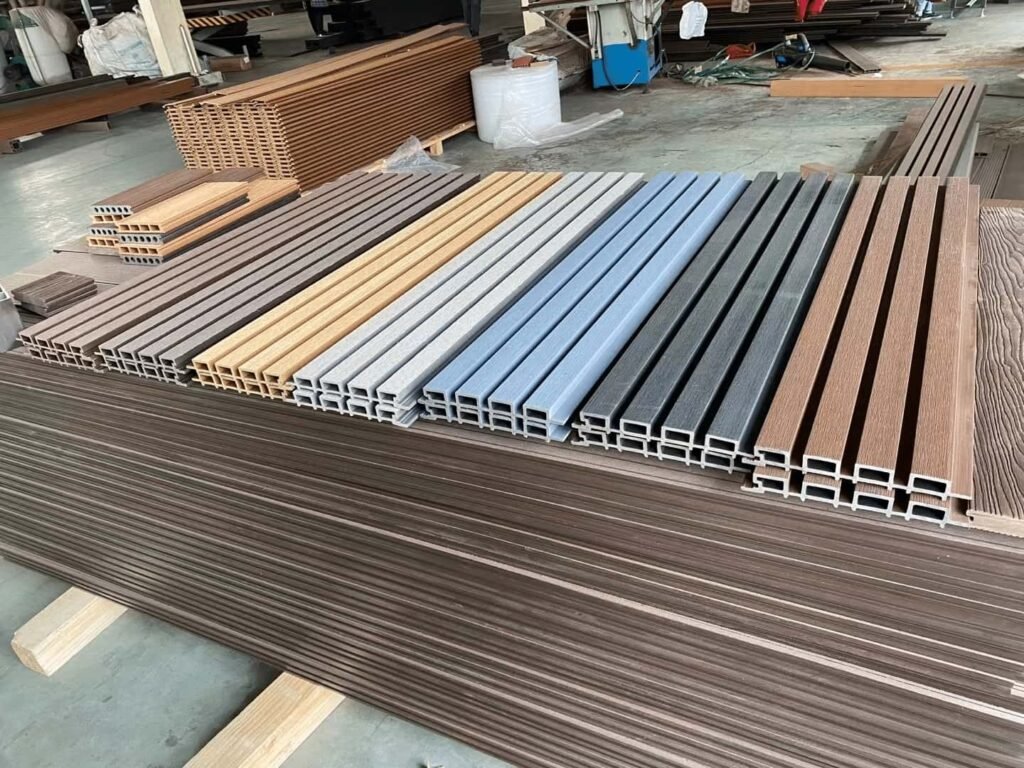
WPC cladding is built for outside life. It’s engineered to handle moisture better than wood because it’s not a buffet for rot and insects in the same way. Termites and carpenter ants don’t care how pretty your cedar grain is—if it’s edible and damp, it’s on the menu.
The other big win is dimensional stability. Quality composite cladding is made to reduce the swelling, shrinking, warping, and cracking you see when wood cycles through wet mornings and hot afternoons. That matters on long runs—big façades, tall gables—where tiny movements turn into visible ugliness fast.
Maintenance is where most homeowners feel the difference. With wood, “maintenance” isn’t a gentle suggestion; it’s a calendar event. Paint peels. Stain fades. Clear coats fail in the sun. Composite cladding usually skips that whole ritual. Cleaning is typically the main job: rinse it, wash it with mild soap when pollen season turns your house yellow, and move on with your life.
Aesthetics hold up better, too—especially with products designed to keep color more consistent under sunlight. You get a wood-inspired look without the constant anxiety of checking for soft spots, splinters, and that one board that decided it wanted to twist like a propeller.
One blunt note: performance depends on the product and the install. Ventilation, proper spacing, and correct fastening aren’t “nice to have.” They’re the difference between a sharp façade and a callback from your contractor.
Design Flexibility That Supports Sophisticated Exteriors
Good cladding should give you options without turning the install into a puzzle box.
Orientation is the obvious one. Horizontal boards can give a home that modern, low-slung look—long lines, calm geometry, less visual noise. Vertical boards push the eye up, which is handy when you want height, rhythm, and a cleaner break between levels. Mixing directions can work too, if you do it with discipline, not panic.
Then there’s detailing. Corners. Reveals. Transitions. The stuff that makes cladding look expensive (or cheap) from ten feet away. Composite systems often come with trims and finishing pieces that help keep those edges tidy, so you’re not improvising with random metal angles and hoping nobody notices.
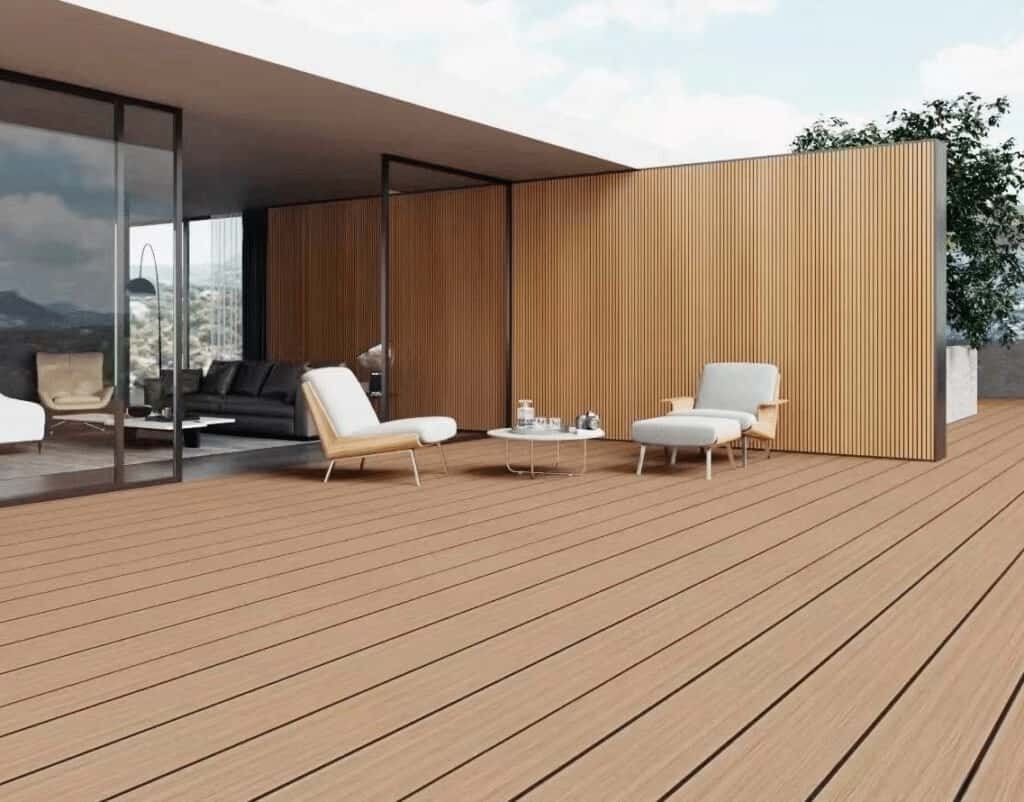
Where WPC gets interesting is coordination across the exterior. If your cladding, decking, and fencing can share a similar finish or tone, the whole property reads as one designed space instead of a bunch of separate purchases made over five years. Clean transitions between surfaces matter—especially where the eye naturally lands, like a patio wall meeting a deck line.
It also scales. A single-family home benefits from consistency. Multi-unit projects benefit from repeatability: same profiles, same install approach, predictable results across big surface areas. Less surprise. Less rework. More control.
Long-Term Value Compared with Traditional Cladding Materials
Sticker price is where people get lazy. Real cost is what happens over the next decade.
Traditional wood siding can be affordable upfront, but it often demands ongoing spending—paint, stain, caulk, repairs, replacement boards, labor. And labor is the part that hurts. Paying someone to prep and repaint an exterior isn’t “a quick refresh.” It’s a project. It disrupts your weekends or your wallet. Sometimes both.
Composite cladding can cost more at the start, but it tends to pay you back by refusing to become a hobby. Less repainting. Less sealing. Less patchwork. And fewer moments where you notice a soft board near the bottom course and realize you’re not looking at a simple fix.
Sustainability is another angle people care about now, and not just for the brochure. Many WPC products use recycled wood fibers and polymers, which can reduce pressure on fresh timber and make better use of material streams that would otherwise be waste. The longer service life also matters—replacing materials less often is a pretty direct form of “being greener,” even if it’s not as dramatic as a marketing slogan.
Future-ready, to me, means two things: it lasts, and it still looks right when design trends shift. Clean façades, tight lines, low-fuss materials—those aren’t going away.
Conclusion
Exterior cladding used to be the house’s raincoat.Today, WPC exterior wall cladding represents the best of composite exterior cladding: high performance, refined aesthetics, and long-term value—without the upkeep. Now it’s also the suit. People notice it, and it’s doing real work while it gets noticed.
WPC cladding hits a practical sweet spot: strong outdoor performance, a refined look that doesn’t fall apart into splinters and peeling paint, and a cost story that makes more sense the longer you own the place. Not magic. Just smart material choices, used properly.
For homeowners and designers who want an exterior finish that looks intentional but doesn’t demand constant upkeep, WPC is hard to ignore.
And if you’re sourcing it from a professional manufacturer that lives in this category—WPC Composite Decking, WPC Composite Cladding, and WPC Composite Fencing—KR WPC is built around exterior systems that aim to satisfy both performance and design needs.
FAQ
What is exterior cladding and why is it important for a home?
It’s the outer layer that shields the wall assembly from sun and weather—and it heavily influences how the house looks from the street.
How does WPC cladding compare with traditional wood siding?
Wood can look great but needs frequent upkeep. WPC typically asks for far less maintenance and is less prone to rot, insects, and splitting.
Is composite exterior cladding suitable for all climates?
Usually, yes—hot, wet, cold, coastal. The key is choosing a product rated for exterior use and installing it with correct spacing and ventilation.
Does exterior cladding help protect walls from moisture damage?
Yes, when it’s part of a proper wall system. It reduces water exposure and, with drainage/air gaps, can help the wall dry.
Can WPC cladding be installed vertically and horizontally?
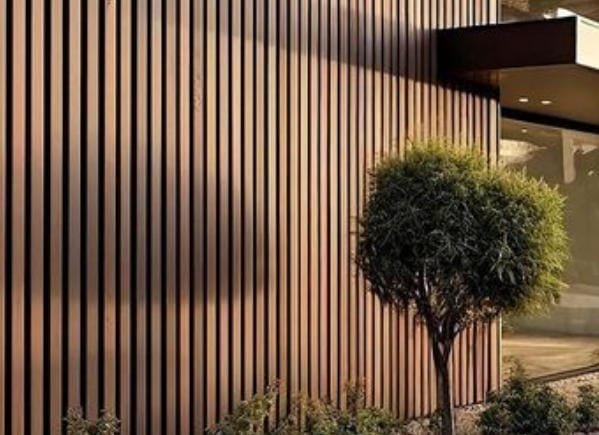
Yes. Both orientations are common—horizontal for long, modern lines; vertical to emphasize height and structure.